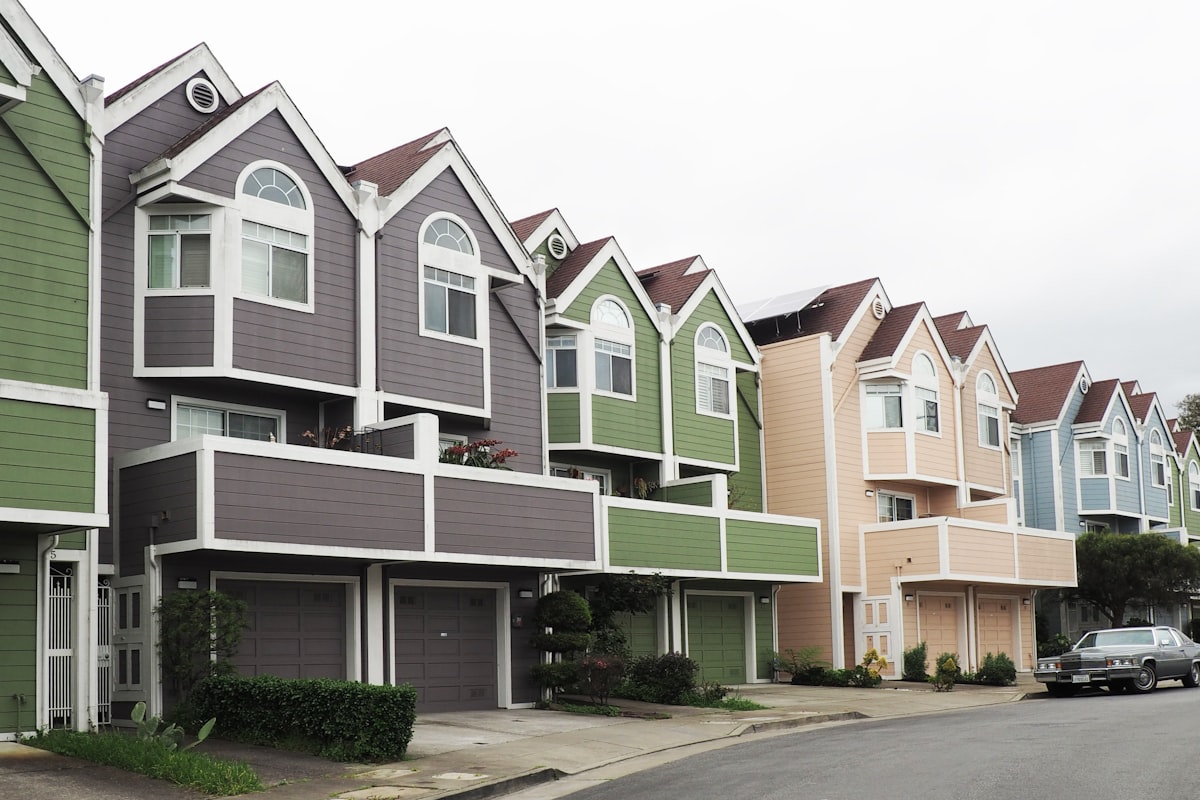

Written by the advisory desk at Being Real Estate, the team that has walked 2,400+ families from first shortlist to final registration across Mumbai, Thane and Navi Mumbai. Reading time: about 48 minutes. This is our complete, on-the-ground guide to buying a home in Ghatkopar East in 2026: where it is, what it costs, how the new metro is re-rating it, and how to buy right. It is the companion to our Emperia Legacy, Ghatkopar East listing and our guide to buying at launch.
Ghatkopar East is one of those Mumbai addresses that quietly does everything right. It is central without being unaffordable by city-island standards, it is established without being stagnant, and it is about to gain something most premium suburbs would kill for: a second metro line that turns an already well-connected node into one of the best-linked addresses on the eastern side of the city. For a buyer in 2026, that combination, a mature suburb on the cusp of a connectivity upgrade, is exactly the moment worth understanding.
This guide is the document we wish every Ghatkopar buyer had before they signed. It is not a brochure. We will tell you what a flat in Ghatkopar East actually costs per square foot this year, which pockets, from Pant Nagar to Garodia Nagar, justify their premium, precisely what Metro Line 4 will do for the area, and the honest risks, from premium pricing to the realities of buying into a redevelopment-heavy market.
By the end, you should be able to walk any Ghatkopar East sales gallery and know more than the person selling to you. That is the point.
Ghatkopar East in 60 seconds
- Price. Flats in Ghatkopar East average roughly ₹25,000 per square foot in 2026, with premium and new-launch stock higher. That puts a 1 BHK broadly from ₹1 crore and a 2 BHK from around ₹1.5 crore, varying sharply by pocket and project. Verify the live rate for your exact building.
- Trajectory. Values rose roughly 13.8% in the last year, with 2026 forecasts in the 7–10% range, premium for an established suburb, driven by infrastructure and limited new supply.
- The connectivity upgrade. Ghatkopar already has Metro Line 1 (to Andheri and the western suburbs) and the Central Line. Metro Line 4 (Wadala–Ghatkopar–Thane–Kasarvadavali, ~84% complete, targeted around 2026) adds a north–south spine and makes Ghatkopar a rare dual-metro interchange.
- The location. Eastern Express Highway, LBS Marg and the Ghatkopar–Mankhurd Link Road put BKC, Powai, the airport, South Mumbai and Navi Mumbai all within practical reach.
- The product. Ghatkopar East is largely a redevelopment and low-density-launch market; genuinely new, amenity-rich towers are scarce and command a premium.
- The standout launch. Emperia Legacy at Pant Nagar, a low-density G+15 tower of premium 1 and 2 BHK homes from ₹1.18 crore with possession in December 2028 (MahaRERA PR1180002600209), is the launch we are sending most Ghatkopar buyers to look at.
- Who it suits. Buyers who want a central, well-connected, established Mumbai address and can fund a premium ticket. Not deep-value buyers, who are better served further out.
- Why Ghatkopar East is one of Mumbai’s most strategic addresses
- Where Ghatkopar East is, locality by locality
- Connectivity: the dual-metro advantage
- Metro Line 4 and what it does for Ghatkopar prices
- What flats in Ghatkopar East cost in 2026
- The price trajectory and why Ghatkopar holds value
- Buying a 1 BHK in Ghatkopar East
- Buying a 2 BHK in Ghatkopar East
- New launch vs resale vs redevelopment
- Spotlight: Emperia Legacy and low-density Pant Nagar living
- The rental market and what your flat can yield
- Who should buy in Ghatkopar East (and who should not)
- The affordability math: EMI and down payment
- Stamp duty, GST and the true cost of buying
- RERA and due diligence in a redevelopment market
- Schools, hospitals, malls and daily life
- The honest risks of buying in Ghatkopar East
- Ghatkopar East vs Mulund, Chembur and Powai
- The 2026 buyer’s playbook
- The five-year outlook
- A worked investment example: the numbers
- The home-loan process, step by step
- The Ghatkopar redevelopment story
- Common mistakes Ghatkopar buyers make
- Ghatkopar East vs the value corridors
- What premium Ghatkopar buyers prioritise
- FAQ: what Ghatkopar buyers actually ask
- Glossary: the Ghatkopar-buyer’s terms
1. Why Ghatkopar East is one of Mumbai’s most strategic addresses
Direct answer: Ghatkopar East is strategically valuable in 2026 because it sits at the intersection of three things Mumbai buyers prize and rarely get together: a genuinely central location on the city island’s eastern spine, mature established-suburb infrastructure, and a major connectivity upgrade arriving now in the form of Metro Line 4. You are buying a finished neighbourhood at the moment its transport links are about to improve, not a promise in an empty field.
Mumbai rewards centrality more than almost any city on earth, because the commute tax here is brutal. Ghatkopar East’s enduring appeal is that it shortens that tax from multiple directions at once. It is on the Central Line, it is the eastern terminus of the city’s first metro, it is minutes from the Eastern Express Highway, and it connects toward Navi Mumbai through the Mankhurd link. Few addresses give a household this many ways out.
What makes 2026 the year to look closely is that this already-good position is getting materially better. Metro Line 4 turns Ghatkopar from a place with one metro into a dual-metro interchange, and connectivity upgrades in established, supply-constrained suburbs are precisely the events that re-rate prices, because there is no flood of new land to dilute the gain.
The three things Ghatkopar East gives a buyer
The first is centrality with options. From Ghatkopar East a household can reach BKC, Powai, the airport, South Mumbai and Navi Mumbai by genuinely different routes. That optionality is worth real money in a city where a single blocked artery can cost you ninety minutes.
The second is a finished neighbourhood. Unlike a far-flung growth corridor, Ghatkopar East already has the schools, the hospitals, the markets, the malls (R City among them) and the social fabric. You are not betting on amenities arriving; you are buying into amenities that exist.
The third is a live re-rating catalyst. Metro Line 4 is not a rumour; it is roughly 84% built and targeted to open around 2026. A near-complete metro in a supply-tight suburb is the cleanest kind of catalyst a buyer can underwrite.
The honest counterpoint
Ghatkopar East is not cheap, and we will never pretend otherwise. At roughly ₹25,000 per square foot, this is a premium-ticket market where a 1 BHK starts around a crore. It is also dense, and much of its new supply comes through redevelopment, which carries its own timeline and approval risks. If your priority is maximum space for minimum money, Ghatkopar East is the wrong suburb and we will say so. The case here is for buyers who specifically want a central, connected, established Mumbai address and can fund it.

2. Where Ghatkopar East is, locality by locality
Direct answer: Ghatkopar East is an established residential suburb in Mumbai’s eastern belt, in the K/East ward of the BMC, just east of the Central Line’s Ghatkopar station. The pockets that matter most to a homebuyer are Pant Nagar, Garodia Nagar, Rajawadi, Barve Nagar and the areas along LBS Marg and the Eastern Express Highway, each with its own character, price and buyer profile.
“Ghatkopar East” on a portal filter blends a quiet, leafy family enclave with a busy main-road high-rise, even though they live very differently. Knowing the sub-pockets is how you avoid overpaying for the name while underbuying on the home. Here is the practical map.
The rule we give buyers: the quieter, more residential pockets like Garodia Nagar and inner Pant Nagar command a premium for liveability, while the main-road frontages trade calm for raw connectivity. Your right answer depends on whether you value a peaceful home or the absolute shortest commute, which is exactly what chapter 12 is about.
3. Connectivity: the dual-metro advantage
Direct answer: Ghatkopar East’s connectivity is among the best in Mumbai’s eastern suburbs. It sits on the Central Line at Ghatkopar station, is the eastern terminus of the operational Metro Line 1 (to Andheri and the western suburbs), and is on the under-construction Metro Line 4 (a north–south spine to Wadala and Thane). Add the Eastern Express Highway, LBS Marg and the Ghatkopar–Mankhurd Link Road, and few addresses offer this many directions of travel.
Connectivity is the entire reason a premium suburb stays premium in Mumbai, and Ghatkopar East’s is unusually deep. Most suburbs give you one or two ways out; Ghatkopar gives you a genuine web.
What you can already reach today
The Central Line puts South Mumbai and Thane within a standard suburban commute. Metro Line 1, with its eastern terminus at Ghatkopar, connects you across the city to Andheri and the western suburbs without touching the notoriously crowded east–west road routes, a genuinely valuable link that residents of most eastern suburbs simply do not have. The Eastern Express Highway runs north–south for road trips to Sion, the island city and onward to Thane, while LBS Marg threads the suburb’s spine. The Ghatkopar–Mankhurd Link Road and the proximity to Kurla open up Navi Mumbai and BKC.

4. Metro Line 4 and what it does for Ghatkopar prices
Direct answer: Metro Line 4 (the Green Line) runs 32.32 km from Wadala to Kasarvadavali in Thane with 32 stations, was around 84% complete in late 2025, and is targeted to open around 2026 (verify the current status). For Ghatkopar East it adds a fast north–south metro spine, interchanging with the existing east–west Metro Line 1 at Ghatkopar, which turns the suburb into a rare dual-metro hub and is the single biggest reason to expect continued price strength.
This is the chapter that makes the 2026 Ghatkopar case. A connectivity upgrade in a supply-constrained, established suburb is the highest-conviction price catalyst in Mumbai property, because unlike a frontier corridor, there is no wave of cheap new land to absorb the demand the new line creates.
What Line 4 actually connects
Metro Line 4 gives Ghatkopar East a direct, traffic-free spine running south toward Wadala (and, via planned extensions, eventually toward the island city) and north through Mulund into Thane up to Kasarvadavali. Combined with the existing Line 1 running east–west to Andheri, a Ghatkopar resident gains rapid transit in three directions without fighting road traffic. For context, the line was reported at over 84% completion following major span installations at Ghatkopar itself, with systems, finishes and trials remaining before a phased opening.

5. What flats in Ghatkopar East cost in 2026
Direct answer: In 2026, flats in Ghatkopar East average roughly ₹25,000 per square foot on carpet, with quoted rates ranging from the high ₹19,000s to over ₹30,000 depending on the pocket, the building’s age and whether it is a premium new launch. In practice that means a 1 BHK broadly from around ₹1 crore, a 2 BHK from roughly ₹1.5 crore, and premium new-launch homes higher still. Always verify the live rate for the specific building.
Per-square-foot averages orient you and mislead you in equal measure, because in Ghatkopar they blend a tired 30-year-old society awaiting redevelopment with a brand-new low-density tower. Treat the ₹25,000 figure as the centre of gravity, then adjust hard for what you are actually buying. Here is the practical grid we use internally, in indicative 2026 ranges.
| Configuration | Typical carpet area | Indicative price band (Ghatkopar East, 2026) | Best fit |
|---|---|---|---|
| Compact 1 BHK | 400–460 sq ft | ₹1.0–1.3 crore | First premium home, investor |
| 2 BHK | 550–680 sq ft | ₹1.5–1.9 crore | Families, upgraders |
| Large 2 / 2.5 BHK | 700–850 sq ft | ₹1.9–2.5 crore | End-users wanting space |
| 3 BHK | 900–1,150 sq ft | ₹2.5 crore+ | Premium upgraders |
For reference, the launch we track most closely here, Emperia Legacy, prices a 457 sq ft 1 BHK from about ₹1.18 crore, a 609 sq ft 2 BHK from about ₹1.58 crore and a 656 sq ft 2 BHK from about ₹1.70 crore, which sits squarely in the premium-launch band and tells you what genuinely new, low-density product costs in this suburb.
What moves the per-square-foot number
Four levers explain almost every price difference inside Ghatkopar East, and knowing them lets you read a quote in seconds:
“In a built-out suburb, a price rise cannot summon new land, so the gain sticks. That scarcity is what a Ghatkopar premium is really buying — resilience, not a lottery ticket.”On scarcity and resilience
6. The price trajectory and why Ghatkopar holds value
Direct answer: Ghatkopar East prices rose roughly 13.8% in the last year, well above the long-run pace, with 2026 forecasts in the 7–10% range and premium segments potentially higher. The reason Ghatkopar holds value is structural: it is a central, supply-constrained, established suburb where most new homes come through slow redevelopment, so demand consistently outruns fresh supply. Past appreciation is context, not a guarantee.
We are careful with history, because the industry’s favourite trick is to quote a back-test as a forecast. Here is what the Ghatkopar numbers actually say, and what they imply.
What they say: Ghatkopar has been a strong, steady performer, with a notably sharp recent year. A double-digit one-year move in an established suburb is not speculative froth; it reflects genuine end-user and upgrader demand meeting a market that simply cannot add much new stock quickly.
What they imply: the forces that produced those gains are still in place and, with Metro Line 4, strengthening. Supply is structurally constrained because Ghatkopar is built out, new homes arrive mainly through redevelopment that takes years, and the demand pool, central-location seekers, upgraders from further out, investors chasing the metro interchange, is deep. When constrained supply meets a connectivity upgrade, prices tend to hold and climb rather than correct.
Our honest framing for clients: do not buy Ghatkopar expecting the last year’s 13.8% to repeat annually, that pace is unusual. Buy it because the structural case, central location, scarce supply, deepening connectivity, is durable, and because resilient suburbs protect your capital when the cycle turns. The premium you pay is, in large part, a premium for that resilience.

7. Buying a 1 BHK in Ghatkopar East
Direct answer: A 1 BHK in Ghatkopar East, broadly ₹1.0–1.3 crore for 400–460 sq ft carpet, is a premium entry point into a central, dual-metro Mumbai suburb. It suits first-time premium buyers who prize location over size, and investors who want a highly rentable, liquid asset in a connectivity-rich pocket. It is not an affordable-housing play; it is buying a small, well-located home in a market that holds value.
The Ghatkopar 1 BHK is a different animal from a Kalyan or Ambernath 1 BHK. You are not buying maximum space for minimum money; you are buying a central, connected address in a compact footprint, and for the right buyer that trade is exactly right.
Who the Ghatkopar 1 BHK is for
The location-first buyer who would rather own a smaller home in a central, dual-metro suburb than a larger one an hour further out. For a single professional or a couple working across the city, Ghatkopar’s connectivity is worth more than an extra bedroom in the distance.
The investor who wants a tenant-magnet asset. A 1 BHK near the Ghatkopar metro interchange rents readily to professionals working in Andheri, BKC, Powai and the island city, and the central location keeps both rental demand and resale liquidity high.
What to insist on in a 1 BHK here
At a crore-plus, a Ghatkopar 1 BHK must earn its price. Insist on a genuinely efficient carpet, cross-ventilation, a modern kitchen, and, ideally, a building with real amenities rather than a bare standalone, because at this price point the envelope matters. A premium low-density launch like Emperia Legacy, where a 457 sq ft 1 BHK comes with a proper amenity deck and an open-view, low-density setting, is exactly the kind of product that justifies a premium 1 BHK ticket, versus an ageing resale flat at a similar number.
8. Buying a 2 BHK in Ghatkopar East
Direct answer: A 2 BHK in Ghatkopar East, typically ₹1.5–1.9 crore for 550–680 sq ft carpet (premium launches higher), is the configuration that best captures the suburb’s appeal: a central, connected, established address with room for a family. It is the volume product and the most liquid resale configuration, making it both the most popular family choice and the safest from a resale standpoint.
If the 1 BHK is Ghatkopar’s entry ticket, the 2 BHK is its heart, the home families actually settle into. It is the configuration we steer most upgraders toward, because it pairs the suburb’s connectivity and social infrastructure with genuine living space.
The value a Ghatkopar 2 BHK unlocks
The comparison that sells a Ghatkopar 2 BHK is not about being cheap; it is about being central. For a family that needs to reach jobs and schools across the city, a 2 BHK in a dual-metro suburb with established schools and hospitals on the doorstep is worth a clear premium over a larger flat in a distant corridor that adds two hours of daily commuting. You are buying back time, and in Mumbai time is the most expensive commodity of all.
The two-BHK buyer’s checklist
A 2 BHK is a long-term decision, so buy it like one. Three things matter most for this configuration in Ghatkopar East:
For families weighing a launch, the 2 BHK is where premium-launch economics and family needs align best: you secure modern, low-density living on the configuration you would have bought anyway, in a suburb whose connectivity is about to improve. A launch like Emperia Legacy, with its 609 and 656 sq ft 2 BHK homes, is built precisely for this buyer. The next chapter is the decision framework for choosing launch, resale or redevelopment.

9. New launch vs resale vs redevelopment
Direct answer: In Ghatkopar East a premium new launch wins on modern amenities, low density and a clean RERA timeline; a resale flat wins on a known, lived-in building and immediate possession; and a redevelopment-stage purchase can win on a central address at a relative discount, but carries the most timeline and approval risk. For most premium buyers wanting a long-term home in a metro-upgrading suburb, a verified new launch is the strongest play, provided you can absorb the construction wait.
Ghatkopar East is unusual because all three options are live at once, and the right answer is genuinely personal. Unlike a frontier corridor where everything is new, here you are often choosing between a sparkling launch, a solid resale and an old society mid-redevelopment on the very same street. Here is the honest trade table.
| Factor | New launch | Resale | Redevelopment-stage |
|---|---|---|---|
| Amenities & design | Modern, low-density | Dated, varies | New on completion |
| Entry price | Premium | Often negotiable | Relative discount |
| Wait for keys | 2–4 years | None | Longest, variable |
| Certainty | RERA-governed | Highest (you see it) | Lowest (approvals) |
| GST | Applies (under-construction) | None | Applies on new flat |
| Best for | Modern living + horizon | Immediacy + negotiation | Discount + patience |
Why a premium launch tends to win here
Ghatkopar East has very little genuinely new, amenity-rich, low-density product, because land is scarce and most redevelopment yields dense towers. A premium low-density launch is therefore a rare commodity, and rare commodities in supply-tight suburbs tend to hold and grow value. You lock modern living and a clean RERA timeline in a suburb whose connectivity is improving, exactly the structural case our why-buy-at-launch guide makes in full.
When resale or redevelopment is the smarter call
Choose resale if you need to move now, want to see the exact flat, or have found a motivated seller whose price beats the launch maths. Consider a redevelopment-stage purchase only if you are an experienced, patient buyer who understands the approval and timeline risks and is being genuinely compensated for them in price. The discipline is to pick the option that fits your life and risk appetite, then run the diligence for that specific option properly, which for redevelopment is considerable.
Want a RERA-verified shortlist for Ghatkopar East?
Tell us your budget and horizon and we’ll send live cost sheets for the Ghatkopar launches that actually fit — Emperia Legacy and others — with our own number on every recommendation and zero brokerage to you. We’ll walk you through the low-density premium, the metro walk and the cost sheet, line by line.
10. Spotlight: Emperia Legacy and low-density Pant Nagar living
Direct answer: Emperia Legacy at Pant Nagar, Ghatkopar East is the launch we most often shortlist for buyers who want premium, low-density living in this suburb: a G+15 tower of 1 and 2 BHK residences from ₹1.18 crore, freehold, with separate wings, lifetime open views and an amenity deck headlined by what is billed as the largest infinity pool in Pant Nagar. It is RERA-registered (MahaRERA PR1180002600209) with possession committed for December 2028.
We do not spotlight projects lightly, and we put only our own contact details on a listing, never the developer’s salesperson, so the advice you get is ours. Emperia Legacy earns the spotlight because it is the clearest expression of what makes Ghatkopar East worth a premium: a scarce, genuinely new, low-density home in a central, connectivity-rich suburb.
What it is
Emperia Legacy is a premium, low-density residential development by Emperia in the heart of Pant Nagar, on the Andheri–Ghatkopar Link Road. It is a G+15 tower with separate wings, freehold land, Vaastu-compliant layouts, covered car parking and a lifestyle amenity set, infinity pool, gymnasium, yoga and meditation space, a rooftop café and a children’s play area, in a suburb where new amenity-rich product is rare. The configurations are spacious 1 and 2 BHK homes designed for open views and light.
| Configuration | Carpet area | Starting price | Notes |
|---|---|---|---|
| 1 BHK | 457 sq ft | From ₹1.18 crore* | Premium entry, investor-friendly |
| 2 BHK (compact) | 609 sq ft | From ₹1.58 crore* | Family sweet spot |
| 2 BHK (grand) | 656 sq ft | From ₹1.70 crore* | Space-first families |
Why low density matters at this price
In a dense suburb, low density is a genuine luxury, fewer flats per floor, more light and air, less pressure on lifts, parking and amenities, and better long-term liveability. At a premium ticket, that is much of what you are paying for, and it is exactly what most redevelopment towers cannot offer. A by-invitation, limited-inventory launch like this is positioned for buyers who want the central address without the crowding, which is a specific and defensible value proposition. Read the pricing, the floor-rise and the inventory carefully, because at this level the cost sheet detail matters, and ask us to walk you through it.

11. The rental market and what your flat can yield
Direct answer: Ghatkopar East has deep, high-quality rental demand from professionals working across Andheri, BKC, Powai, the island city and Navi Mumbai, drawn by the suburb’s dual-metro connectivity. Gross rental yields in central established Mumbai suburbs typically sit in the rough 2.5–3.5% range, lower in percentage terms than far-flung markets because prices are high, but backed by exceptional tenant quality, low vacancy and strong resale liquidity. Verify achievable rent for your specific building.
Yield in a premium suburb works differently than in a value market. The percentage is lower because the denominator (price) is high, but the quality of the income is far better: reliable, professional tenants, short vacancy gaps and an asset that resells easily. For many Ghatkopar investors, that combination of steady income plus capital resilience beats a higher headline yield on a riskier, less liquid flat elsewhere.
How to think about yield here
Do not chase a headline percentage; weigh income quality and total return. A premium 1 BHK near the metro interchange may yield a sober 3% but with near-zero vacancy and strong appreciation, which on a total-return basis can comfortably beat a 5% headline on an illiquid flat in the distance. We model real entry price, realistic rent and honest costs for every investor client, and in Ghatkopar we would rather show you a dependable 3% in a resilient suburb than a fragile 5% elsewhere.
“Centrality and connectivity decide whether a suburb is good. Whether you can fund the premium decides whether it is yours. Resolve both before you spend a single rupee.”On fit and budget
12. Who should buy in Ghatkopar East (and who should not)
Direct answer: Ghatkopar East is right for location-first buyers who want a central, dual-metro Mumbai address; families upgrading for connectivity and established social infrastructure; and investors seeking a resilient, highly rentable asset in a supply-tight suburb. It is the wrong choice for deep-value buyers chasing maximum space per rupee, and for anyone who cannot comfortably fund a premium, crore-plus ticket.
Fit determines whether you are happy in five years, so here are the personas we see and our candid read on each.
If you are unsure which persona is yours, resolving that is the most valuable thing you can do before spending a rupee, and it is the first conversation we have with every Ghatkopar buyer. The next chapters give you the tools, starting with the money.

13. The affordability math: EMI and down payment
Direct answer: A Ghatkopar East home is a premium purchase, so the maths matters more, not less. As a rule of thumb at roughly 8.5% over 20 years, every ₹1 lakh of home loan costs about ₹868 a month, so a ₹90 lakh loan runs near ₹78,000 and a ₹1.2 crore loan near ₹1.04 lakh. You will typically need 15–25% as down payment plus stamp duty, GST and charges. Use the calculator below to size your own number, then verify the live rate with your bank.
At crore-plus tickets, “can I afford it” must become a precise figure before you fall for a flat. Drag the sliders to your situation.
Ghatkopar East home affordability calculator
Estimate the monthly EMI on a Ghatkopar East home loan. Indicative only; confirm the current rate and your eligibility with your lender.
How much do you actually need up front?
Lenders finance up to 75–90% of the property value, so your down payment is typically 15–25% of the price on a premium home. But the day-one cash is more than the down payment alone, and at Ghatkopar prices the extras are large in absolute terms.
| Cash component | Rough size | On a ₹1.6 crore flat |
|---|---|---|
| Down payment (margin) | 15–25% of price | ₹24–40 lakh |
| Stamp duty + registration | ~6–7% (see chapter 14) | ₹9.6–11.2 lakh |
| GST (if under-construction) | 5% (premium homes) | ~₹8 lakh |
| Other (legal, processing, deposits) | Variable | ₹1–2 lakh |
14. Stamp duty, GST and the true cost of buying
Direct answer: Beyond the price, a Ghatkopar East purchase carries stamp duty and registration of roughly 6–7% of the agreement value in Maharashtra (commonly 5% stamp duty plus a 1% metro cess for Mumbai, plus 1% registration capped at ₹30,000), and GST of 5% on premium under-construction homes (1% only for affordable housing, which most Ghatkopar stock is not), with no GST on ready, OC-received flats. Women buyers may get a 1% stamp-duty concession. Verify current-year rates.
At crore-plus prices these percentages translate into very large rupee figures, so getting them into your plan early is essential. Here is the honest build-up, with every rate to be reconfirmed for the current year and your exact case.
We walk every client through this line by line alongside the payment-plans guide, because at this ticket the financing structure and the tax treatment materially change your cash needs. The headline lesson for a Ghatkopar buyer: build the full cost, stamp duty, registration, GST and incidentals, into your plan before you commit, because here those lines are measured in lakhs, not thousands.
15. RERA and due diligence in a redevelopment market
Direct answer: Every under-construction project in Ghatkopar East must be registered with MahaRERA, verifiable at maharera.maharashtra.gov.in, and because Ghatkopar is a redevelopment-heavy market, diligence goes beyond the usual checks. Confirm the RERA registration, the developer’s track record, the approved plans and BMC approvals (IOD, commencement and, for ready flats, occupancy certificates), and for redevelopment, the society consent, the development agreement and the approval status. This work is the single best protection a premium Ghatkopar buyer has.
A premium suburb does not mean a risk-free one, and Ghatkopar’s redevelopment intensity adds a layer of diligence most buyers underestimate. We have a full walkthrough in our guide to verifying any Mumbai project’s RERA in two minutes; here is the Ghatkopar-specific checklist we run before any client books.
The Ghatkopar diligence checklist
- MahaRERA registration. Confirm the number on the official portal, and that the project (not just the promoter) is registered. The launch we use as a teaching case, Emperia Legacy, carries MahaRERA PR1180002600209, which you can look up directly.
- Developer track record. At a premium ticket, the promoter’s delivery history is everything. Check their other registered and completed projects and whether they delivered on time and on spec.
- BMC approvals. Verify the IOD, the commencement certificate and, for a ready flat, the occupancy certificate. Approvals in the city island can be intricate; do not assume them.
- Redevelopment specifics. If the project is a redevelopment, examine the development agreement, the society’s consent percentage, the tenant-rehab structure and the approval stage. Redevelopment timelines slip more than fresh-land launches, and the discount must compensate for that.
- Committed possession date. RERA dates are enforceable. Note the registered date (December 2028 in Emperia Legacy’s case) and treat contradicting verbal promises as fiction.
- Escrow discipline. Post-RERA, 70% of your payments belong in a project-specific escrow. Pay into the project account, never a personal one, and keep every receipt.
- Carpet area and freehold status. Confirm RERA carpet in the agreement and the land tenure; freehold (as Emperia Legacy is described) is generally preferable for resale and financing.

16. Schools, hospitals, malls and daily life
Direct answer: Ghatkopar East offers mature, premium social infrastructure: well-regarded schools (Garodia Nagar in particular is known for its educational institutions), established hospitals including Rajawadi Hospital, organised retail anchored by R City Mall, and the full daily-needs fabric of a long-settled suburb. Unlike a growth corridor, you are buying into amenities that already exist and are part of what justifies the premium.
A premium price should buy a premium daily life, and Ghatkopar East delivers because it is a finished, lived-in neighbourhood rather than a green-field experiment. The fabric is already here.
The honest synthesis: Ghatkopar East gives you a complete, premium urban life on day one, schools, hospitals, malls, transit, all mature. That completeness is a core part of the value, and it is what separates a premium established suburb from a cheaper but unfinished corridor. Which brings us to the risks you must weigh with open eyes.
“Every Ghatkopar risk — premium pricing, density, redevelopment delay — is managed by the same two habits: buy on verified value, and verify relentlessly.”On the honest fine print
17. The honest risks of buying in Ghatkopar East
Direct answer: The real risks of buying in Ghatkopar East are the premium entry price (a 1 BHK starts near a crore, so your margin for error is smaller), high density and traffic on the main roads, redevelopment timeline and approval risk on much of the new supply, the gap between Metro Line 4’s target and its actual opening, and the variable quality of older resale stock. None is a reason to avoid Ghatkopar; each is a reason to buy the right project, in the right pocket, with thorough diligence.
A guide that only sells is a brochure. Here are the risks we make every Ghatkopar buyer look at squarely, because a risk you have priced in cannot ambush you.

18. Ghatkopar East vs Mulund, Chembur and Powai
Direct answer: Among central-eastern Mumbai suburbs, Ghatkopar East offers the strongest connectivity story (dual metro) at a price below Powai and broadly comparable to Mulund and Chembur. Mulund is greener and gains from the same Metro Line 4; Chembur is well-connected and central; Powai is the premium lifestyle pick at a higher price. For a buyer prioritising connectivity-plus-value among premium eastern suburbs, Ghatkopar East is frequently the sweet spot.
You never choose a suburb in isolation; you choose it against its peers. Here is the honest comparison across the central-eastern belt.
| Suburb | Relative price | Key strength | Best for |
|---|---|---|---|
| Ghatkopar East | Premium (~₹25k/sq ft) | Dual-metro interchange, centrality | Connectivity-first buyers |
| Mulund | Similar to Ghatkopar | Greenery, Metro 4, family living | Family, lifestyle + transit |
| Chembur | Similar to Ghatkopar | Central, monorail, road links | Central living, established base |
| Powai | Higher | Lifestyle, lake, corporate hub | Premium lifestyle buyers |
How to choose between them
Ghatkopar’s specific edge is the dual-metro interchange, no other suburb in this cluster offers both an east–west and a north–south metro meeting at the same node, which is a connectivity advantage that should support long-term demand. Mulund is the pick if you want more greenery and a calmer, family feel with the same Line 4 benefit. Chembur suits buyers wanting a central, established base. Powai is the lifestyle premium if budget allows. For most buyers, the question is not “which is cheapest” but “which gives me the best connectivity-adjusted value,” and on that test Ghatkopar East holds up strongly.
19. The 2026 buyer’s playbook
Direct answer: To buy well in Ghatkopar East in 2026: fix your budget and the full cash you can deploy; decide your horizon; shortlist by pocket (Garodia Nagar and inner Pant Nagar for liveability, main-road frontages for raw connectivity); choose between new launch, resale and redevelopment on cash-flow and risk, not sticker; verify RERA, BMC approvals and any redevelopment consent yourself; and inspect the specific project’s metro walk, density and views in person. Then negotiate from knowledge.
Everything in this guide reduces to a sequence you can follow. Here is the playbook we run with clients, in order.
The Ghatkopar East buying sequence
- Step 1, fix the money. Decide your maximum EMI, then work back to a price using the chapter 13 calculator. Add stamp duty, GST and incidentals, large numbers at this ticket, so you know the true cash needed.
- Step 2, set your horizon. Need keys now? Lean ready-to-move or resale. Can wait two to four years for modern, low-density living? A verified premium launch is your edge.
- Step 3, choose your pocket. Liveability-first buyer, look at Garodia Nagar and inner Pant Nagar. Connectivity-first buyer, look at the metro-and-highway frontages.
- Step 4, compare on cash-flow and risk. Put launch, resale and redevelopment side by side on true cost of ownership and timeline risk, not just headline price.
- Step 5, verify everything. RERA, BMC approvals (IOD, CC, OC), developer record, possession date, escrow, carpet, freehold status and, for redevelopment, the consent and agreement, all confirmed by you.
- Step 6, inspect in person. Walk the actual gate-to-metro route, judge the density and the views, and assess the amenities you are paying for with your own eyes.
- Step 7, negotiate from knowledge. You now know the per-square-foot anchor, the comparable projects and the waivers worth asking for. That is leverage. Use it.
This is exactly the sequence we run for buyers, with one difference: we have already done steps 4 through 6 across the live Ghatkopar market, so a single honest conversation can save you weeks. Either way, follow the sequence and you will buy like a professional.

20. The five-year outlook
Direct answer: Over the next five years, Ghatkopar East is positioned to strengthen as a premium, dual-metro central suburb, as Metro Line 4 opens and interchanges with Line 1, redevelopment gradually refreshes the housing stock, and scarce supply keeps demand firm. The likely path is continued steady-to-strong appreciation with resilience in down cycles, a store-of-value profile rather than a speculative one. This is an outlook based on committed infrastructure and structural scarcity, not a price prediction.
We will not hand you a percentage forecast, because nobody honest can. What we can describe is the mechanism. Ghatkopar East is a built-out, central suburb whose supply cannot expand quickly, whose connectivity is about to improve materially, and whose demand pool, central-location seekers, cross-city professionals, upgraders, is deep and durable. That combination, scarce supply meeting improving access, is the textbook recipe for a resilient, appreciating market.
The base case is continued steady appreciation underpinned by the metro and scarcity. The upside case is a sharper re-rating around Line 4’s opening and the interchange becoming fully operational. The risk case is that the metro opens later than targeted and the broad market softens, in which case Ghatkopar’s central, supply-tight character should still protect capital better than most, the very reason premium buyers pay up for it. We keep returning to that resilience because it is the honest heart of the Ghatkopar case: you are buying durability, not a lottery ticket.
If you want to act on that thesis with the verification already done for you, that is our job, and it costs you nothing.

21. A worked investment example: the numbers
Direct answer: Take a ₹1.18 crore premium 1 BHK in Ghatkopar East, bought with a 20% down payment and a ₹94 lakh loan at 8.5% over 20 years. The EMI is roughly ₹81,500. At a realistic ₹32,000–40,000 monthly rent, the tenant funds a meaningful share, your gross yield sits near 3.3–4%, and you own a resilient, highly liquid central-Mumbai asset. The case is income quality and capital resilience, not a high headline yield.
Numbers cut through narrative, so here is the framework we run for a Ghatkopar investor, every figure illustrative and yours to verify.
| Line item | Illustrative figure | Note |
|---|---|---|
| Price (premium 1 BHK) | ₹1,18,00,000 | e.g. a 457 sq ft launch unit |
| Down payment (20%) | ₹23,60,000 | Margin money |
| Stamp duty + registration | ~₹7,30,000 | ~6.2% all-in, verify current |
| Home loan | ₹94,40,000 | ~80% funding |
| EMI (8.5%, 20 yrs) | ~₹81,900 | About ₹868 per ₹1 lakh |
| Achievable rent | ₹32,000–40,000 | Professional tenant demand |
| Gross yield on entry | ~3.3–4.1% | Rent ÷ price |
| Tenant quality / vacancy | High / low | Central, dual-metro pull |
Why income quality beats headline yield here
A Ghatkopar 1 BHK will not show a 6% yield, and chasing that number would push you to a riskier, less liquid suburb. What it offers instead is a dependable, professional tenant base, minimal vacancy and an asset that resells quickly in any market, plus the appreciation that scarce, central, metro-served supply tends to deliver. On a total-return basis, capital growth plus reliable income, a resilient Ghatkopar flat frequently beats a fragile high-yield flat elsewhere. Add the home-loan tax deductions (take professional advice on your eligibility) and the effective carry improves further.
22. The home-loan process, step by step
Direct answer: Financing a Ghatkopar home follows a clear sequence: check eligibility and get a pre-approval, finalise the property and gather documents, let the bank complete legal and technical verification (more involved for premium and redevelopment property), receive the sanction letter, and disburse, in full for a ready flat or in construction-linked tranches for an under-construction one, with pre-EMI interest until full disbursement. Knowing the steps keeps you in control on a high-value purchase.
A home loan feels opaque until you see it as a checklist. Here is the path your money takes, with the Ghatkopar-specific points called out.
The seven steps to a sanctioned home loan
- 1. Eligibility and pre-approval. The bank assesses income, obligations and credit score to fix your limit. At crore-plus tickets, a pre-approval is essential so you shop in your real range.
- 2. Property selection and offer. Finalise the Ghatkopar flat and price. The lender funds only a property that clears its legal and technical checks, so a clean, RERA-registered, well-approved project matters for your loan as much as your safety.
- 3. Documentation. Identity and address proof, income proof, bank statements, and the property papers, agreement, approved plans, title and developer details.
- 4. Legal and technical verification. The bank’s lawyers verify title and approvals and its valuers assess the property. For premium and redevelopment property in the city island, this step is more thorough; a clean project sails through.
- 5. Sanction letter. The bank confirms the amount, rate, tenure and terms. Read the rate type, reset benchmark and charges carefully.
- 6. Disbursement. Full at registration for a ready flat; in milestone-linked tranches into the project escrow for an under-construction launch.
- 7. Repayment begins. On an under-construction flat you typically pay pre-EMI (interest on the disbursed amount) until full disbursement, then the full EMI starts. Budget for the step-up.
The two points that catch Ghatkopar buyers out are the technical valuation and redevelopment lending. The bank’s valuation, not the developer’s quote, governs how much it lends, so carpet honesty matters to your wallet. And lenders scrutinise redevelopment projects harder, sometimes restricting disbursement until certain approval milestones are met, so confirm financeability before you commit if you are buying redevelopment-stage stock.
23. The Ghatkopar redevelopment story
Direct answer: Much of Ghatkopar East’s housing stock is decades old, so redevelopment is the suburb’s primary engine of new supply: old societies are rebuilt into modern towers, refreshing the housing while keeping the central location. For buyers this is double-edged, it creates premium new product like low-density launches, but redevelopment-stage purchases carry approval, consent and timeline risks that demand extra diligence and a compensating discount.
You cannot understand Ghatkopar’s market without understanding redevelopment, because it shapes both the supply and the risk. Here is what a buyer needs to know.
Why redevelopment dominates here
Ghatkopar East is built out, with little vacant land, and much of its building stock dates back decades. The only way to add modern homes in a central, land-scarce suburb is to demolish and rebuild, which is exactly what is happening across the suburb. This is why genuinely new, amenity-rich, low-density product is scarce and commands a premium, and why a launch on a clean land parcel or a well-structured redevelopment is a relative rarity worth paying attention to.
What it means for your purchase
If you buy a finished new tower (whether fresh-land or completed redevelopment), you get modern living in a central location, the best of both worlds. If you buy into a redevelopment still in progress, you may get a central address at a relative discount, but you take on real risks: society consent disputes, approval delays, tenant-rehab complications and timeline slippage that routinely exceeds fresh-land launches. The discount must genuinely compensate for that, and you must verify the consent percentage, the development agreement and the approval stage (chapter 15) before you commit. For most buyers who are not redevelopment specialists, a completed building or a clean RERA-governed new launch is the lower-risk path to Ghatkopar’s central premium.
24. Common mistakes Ghatkopar buyers make (and how to avoid them)
Direct answer: The costliest mistakes in Ghatkopar East are overpaying because “it’s central” without checking comparables, underestimating the true cost (stamp duty and GST run into lakhs here), buying redevelopment-stage stock without pricing in the timeline risk, ignoring the metro walk and density of the specific project, confusing saleable area with RERA carpet, and chasing the lowest sticker over the best long-term value. Every one is avoidable with the discipline in this guide.
After placing thousands of families, we see the same premium-market mistakes repeat. Naming them is the cheapest insurance a buyer can get.
The mistakes we see most, and the fix for each
- Overpaying on the “central” halo. Buyers assume any Ghatkopar price is justified by location. Fix: anchor to the ₹25,000 per square foot benchmark and verified comparables, and make the seller justify any premium.
- Forgetting the lakhs in extras. At crore-plus, stamp duty and GST are large. Fix: build the full 7–12% of additional cost into your plan before you fall for a flat.
- Buying redevelopment risk blind. A “discounted” redevelopment flat can hide stuck approvals. Fix: verify consent, the development agreement and the approval stage, and demand a discount that truly compensates.
- Ignoring the metro walk. The dual-metro premium only accrues if you can actually walk to a station. Fix: measure the real gate-to-station distance for both Line 1 and Line 4.
- Misjudging density and views. A premium price for a crowded, view-blocked flat is a poor buy. Fix: inspect density, light and views in person; low-density product is worth its premium here.
- Confusing area definitions. A low per-square-foot quote on inflated saleable area is arithmetic, not value. Fix: insist on RERA carpet and divide the all-in cost by it.
- Chasing the lowest sticker. Two flats at the same price can differ hugely in liveability and resale. Fix: compare on long-term value, liquidity and total cost, not the headline.
- Letting urgency override diligence. “By invitation, selling fast” pressures buyers. Fix: your leverage is highest before you commit; never skip verification for speed.
The thread through all eight is the same: Ghatkopar East’s premium is real and worth paying, but only if you pay it for genuine value, central location, scarce low-density product, dual-metro access, rather than for a stretched ticket or an unverified redevelopment. Slow down where a sales process speeds you up, and you will avoid almost every expensive error a Ghatkopar buyer can make.

25. Ghatkopar East vs the value corridors: pay up or go out?
Direct answer: The central choice many Mumbai buyers face is whether to pay a premium for a central, connected suburb like Ghatkopar East (around ₹25,000 per square foot) or buy far more space for the money in a value corridor like Kalyan, Dombivli or Ambernath (around ₹10,000 per square foot). The honest answer depends on what you are optimising for: Ghatkopar buys you time, centrality and resilience; the value corridors buy you space, lower risk-of-overpaying and higher headline upside. Neither is universally right.
This is the most important strategic decision in MMR property, and we walk every cross-shopping buyer through it explicitly, because the wrong choice is expensive in either direction. Here is how we frame it.
The honest trade, quantified
At roughly ₹25,000 per square foot, a ₹1.18 crore Ghatkopar 1 BHK buys you around 460 sq ft in a central, dual-metro suburb. The same ₹1.18 crore in Kalyan West, at around ₹10,000 per square foot, buys a comfortable 2 or even 3 BHK with a township envelope. The Ghatkopar buyer pays for location and time; the Kalyan buyer pays for space and keeps the upside of a frontier being re-rated. Both are rational; they simply optimise for different things.
Our guidance: do not let pride or fear pick for you. If centrality genuinely changes your daily life and you can fund it, Ghatkopar’s premium is worth paying. If space and a lower ticket matter more, or you want the bigger percentage move, the value corridors are the smarter buy. The mistake is paying a Ghatkopar premium for a flat you will rarely commute from, or buying far out and then losing the savings back in commuting hours. Match the suburb to your actual life, which is exactly the conversation we have first.
26. What premium Ghatkopar buyers prioritise
Direct answer: Premium Ghatkopar buyers consistently prioritise five things beyond the basics: low density (light, air, fewer flats per floor), genuine metro walkability, open views that a dense suburb rarely offers, a quiet residential pocket over a main-road address, and a developer track record that protects a crore-plus commitment. Getting these right is what separates a premium flat that holds value from one that merely costs a lot.
At a premium ticket, the basics, RERA, carpet, approvals, are necessary but not sufficient. The things that actually justify the premium, and protect it, are subtler. Here is what experienced Ghatkopar buyers insist on.
The synthesis: a premium Ghatkopar flat is worth its price when it delivers low density, metro walkability, open views, a quiet setting and a credible developer, and is overpriced when it delivers only the address. Train your eye on these five, and you will tell a genuine premium from an expensive ordinary flat, which is the whole game in a market like this.
Frequently asked questions about buying in Ghatkopar East
Is Ghatkopar East a good place to buy a flat in 2026?
Yes, for buyers who want a central, well-connected Mumbai address and can fund a premium ticket. Ghatkopar East combines a mature established suburb with a major connectivity upgrade, Metro Line 4 interchanging with the existing Line 1, plus scarce new supply that supports prices. It is not suitable for deep-value buyers, who are better served further out.
What is the price of a flat in Ghatkopar East?
In 2026, flats in Ghatkopar East average roughly ₹25,000 per square foot, with quoted rates ranging from the high ₹19,000s to over ₹30,000 depending on pocket, building age and whether it is a premium launch. That means a 1 BHK broadly from around ₹1 crore and a 2 BHK from roughly ₹1.5 crore. Verify the live rate for your specific building.
How much does a 1 BHK cost in Ghatkopar East?
A 1 BHK in Ghatkopar East typically costs ₹1.0–1.3 crore for around 400–460 sq ft of carpet. Premium low-density launches such as Emperia Legacy price a 457 sq ft 1 BHK from about ₹1.18 crore. It is a premium entry point into a central, dual-metro suburb rather than an affordable-housing option.
How much does a 2 BHK cost in Ghatkopar East?
A 2 BHK in Ghatkopar East generally costs ₹1.5–1.9 crore for 550–680 sq ft of carpet, with larger or premium-launch units higher. Emperia Legacy, for example, prices a 609 sq ft 2 BHK from about ₹1.58 crore and a 656 sq ft 2 BHK from about ₹1.70 crore. The 2 BHK is the suburb’s most popular and most liquid configuration.
Is Ghatkopar East a good investment?
For investors seeking resilience and income quality, yes. The case rests on a central location, scarce supply, deep professional-tenant demand and the dual-metro upgrade. Yields are moderate in percentage terms (roughly 2.5–3.5%) but backed by low vacancy and strong resale liquidity, making the total-return and capital-protection case strong.
Which is the best area in Ghatkopar East?
It depends on your priority. Garodia Nagar is prized for its schools and calm, family-first atmosphere. Pant Nagar is highly sought-after and well-connected, with a mix of redevelopment and premium launches. Rajawadi and Barve Nagar balance price and convenience. Main-road frontages offer the strongest connectivity but more noise.
When will Metro Line 4 be ready in Ghatkopar?
Metro Line 4 (Wadala–Ghatkopar–Thane–Kasarvadavali) was reported at over 84% completion in late 2025 and is targeted to open around 2026, with phased commissioning likely. It interchanges with the existing Metro Line 1 at Ghatkopar. Confirm the current status on the MMRDA website before relying on a date.
Does Ghatkopar already have a metro?
Yes. Ghatkopar is the eastern terminus of Metro Line 1 (Versova–Andheri–Ghatkopar), which has been operational since 2014 and connects the suburb east–west to Andheri and the western suburbs. Metro Line 4 will add a north–south spine, making Ghatkopar a dual-metro interchange.
Why is Ghatkopar East so well connected?
Ghatkopar East sits on the Central Line, is the terminus of Metro Line 1, will be on Metro Line 4, and is served by the Eastern Express Highway, LBS Marg and the Ghatkopar–Mankhurd Link Road. This puts BKC, Powai, the airport, South Mumbai and Navi Mumbai all within practical reach by genuinely different routes.
Is Ghatkopar East better than Mulund or Chembur?
They are close peers at similar prices. Ghatkopar’s edge is the dual-metro interchange; Mulund offers more greenery with the same Line 4 benefit; Chembur is central and established. The better choice depends on whether you prioritise connectivity (Ghatkopar), greenery and family living (Mulund), or central convenience (Chembur), and on the specific project.
Is Ghatkopar East better than Powai?
Powai is the premium lifestyle pick with its lake, corporate hub and higher prices; Ghatkopar East offers stronger metro connectivity at a lower price point. If budget allows and you want a lifestyle address near a major employment cluster, Powai appeals; if you want connectivity-led value with a central position, Ghatkopar East often wins.
What is Emperia Legacy Ghatkopar?
Emperia Legacy is a premium low-density residential launch at Pant Nagar, Ghatkopar East: a G+15 tower of 1 and 2 BHK homes from ₹1.18 crore, freehold, with separate wings, lifetime open views and amenities including an infinity pool, registered under MahaRERA PR1180002600209 with possession committed for December 2028.
What stamp duty do I pay on a Ghatkopar flat?
In Mumbai, stamp duty is commonly 5% plus a 1% metro cess, roughly 6% all-in, plus 1% registration capped at ₹30,000. Women buyers may get a 1% concession. On a ₹1.6 crore flat, expect roughly ₹9.6–11 lakh in stamp duty and registration. Verify current-year rates before budgeting.
Is there GST on flats in Ghatkopar East?
GST applies only to under-construction homes. Most Ghatkopar launches are premium and fall in the 5%-without-input-credit bracket rather than the 1% affordable category. A ready flat with its occupancy certificate carries no GST, one of the cost advantages of buying ready or resale.
What EMI will I pay on a ₹1 crore loan?
At roughly 8.5% over 20 years, a ₹1 crore home loan costs about ₹86,800 a month (the rule of thumb is about ₹868 per ₹1 lakh borrowed). Use the affordability calculator in this guide to model your own loan, tenure and rate, and confirm the live rate with your bank.
How much down payment do I need for a Ghatkopar flat?
Lenders typically finance 75–90% of value, so your down payment is usually 15–25% of the price. On a premium Ghatkopar flat that is a large absolute sum, and you must separately budget stamp duty, registration, GST (if under-construction) and incidentals, which together add several more lakhs to your day-one cash.
What is the rental yield in Ghatkopar East?
Gross rental yields in central established Mumbai suburbs like Ghatkopar East typically sit in the rough 2.5–3.5% range, lower in percentage terms than far-flung markets because prices are high, but backed by excellent tenant quality, low vacancy and strong resale liquidity. Verify achievable rent for your specific unit.
Is Ghatkopar East safe and good for families?
Yes. Ghatkopar East is an established, family-oriented suburb with strong schools (Garodia Nagar especially), hospitals, malls and a mature social fabric, plus improving transit. Quieter inner pockets suit families best, while main-road frontages prioritise connectivity over calm. Choose your pocket and project carefully and inspect in person.
What is buying into a redevelopment project in Ghatkopar?
Much of Ghatkopar’s new supply comes from redeveloping old societies into modern towers. Buying a completed redevelopment gives you a modern home in a central location; buying into one still in progress can offer a relative discount but carries approval, consent and timeline risks. Verify the consent percentage, development agreement and approval stage before committing.
Is Ghatkopar East a good place to invest for NRIs?
Yes. NRIs can buy residential property in India, including Ghatkopar East, under the standard FEMA framework, funding through NRE/NRO accounts. Ghatkopar’s central location, dual-metro connectivity and strong rental demand make it attractive for NRI investors who value a liquid, resilient asset. The same RERA diligence applies; take professional advice on structuring and repatriation.
Is it better to buy a new launch or resale in Ghatkopar?
A premium new launch wins on modern amenities, low density and a clean RERA timeline, suiting buyers with a two-to-four-year horizon. Resale wins on immediacy, a known building and no GST. Choose launch if you want modern living and can wait; choose resale if you need to move now or find a strong deal.
Will property prices in Ghatkopar East go up?
Prices rose around 13.8% in the last year with 7–10% forecast for 2026, supported by scarce supply and the metro upgrade. No one can guarantee future prices, but the structural case, central, supply-constrained, dual-metro, points to continued strength and resilience. Buy on verified value to keep your risk low.
How far is BKC and the airport from Ghatkopar East?
BKC is reachable via the Ghatkopar–Mankhurd Link Road and Kurla in roughly 25–40 minutes by road, and the domestic and international airports are similarly within a 30–45 minute drive, traffic permitting. The metro and highway network give multiple routes, which is central to Ghatkopar’s appeal. Test your own specific commute before buying.
What schools are in Ghatkopar East?
Ghatkopar East, and Garodia Nagar in particular, is known for strong schools and educational institutions, which supports both family demand and student rentals. For a family, map the commute from your specific project to your preferred school before buying, since travel time varies by pocket.
Is Ghatkopar East good for first-time buyers?
It is a strong option for first-time buyers who prioritise a central, connected address and can fund a premium ticket, typically via a compact 1 BHK. It is not the right choice for first-time buyers seeking maximum affordability, who should look at value corridors like Kalyan. Match the suburb to your budget and priorities.
Can I get a home loan for a redevelopment flat in Ghatkopar?
Often yes, but lenders scrutinise redevelopment projects more closely and may restrict disbursement until certain approval milestones are met. Confirm financeability with your bank before committing to a redevelopment-stage purchase, and ensure the project’s RERA and approval status supports lending. A completed building or clean new launch is generally simpler to finance.
What is the carpet area of a Ghatkopar 1 BHK or 2 BHK?
A 1 BHK in Ghatkopar East typically offers around 400–460 sq ft of RERA carpet, and a 2 BHK around 550–680 sq ft, with larger premium units above that. Always confirm the figure is RERA carpet, not a softer “saleable” area, and judge the layout in person, since efficient planning matters most at premium prices.
Is Ghatkopar East freehold or leasehold?
Tenure varies by project, so always confirm the specific development’s land status during diligence. Freehold land (as Emperia Legacy is described) is generally preferable for resale and financing. Your property lawyer’s title check will confirm the tenure and any encumbrances before you commit.
What is the possession timeline for new Ghatkopar launches?
Under-construction launches in Ghatkopar East typically commit possession within two to four years, with the exact date stated in the project’s MahaRERA registration, which is legally enforceable (Emperia Legacy’s, for instance, is December 2028). Redevelopment projects can run longer. For a guaranteed move-in, choose a ready, occupancy-certified flat.
How do I verify a Ghatkopar project’s RERA?
Go to maharera.maharashtra.gov.in, search the project or promoter, and confirm the registration number, approved plans, committed possession date and quarterly progress filings. Also check the BMC approvals (IOD, CC, OC) and, for redevelopment, the consent and agreement. Our two-minute RERA verification guide walks through the exact steps.
Is now a good time to buy in Ghatkopar East?
For a buyer who wants a central, dual-metro address and can fund the premium, the case is strong: Metro Line 4 is near completion, supply is scarce, and the suburb is resilient. Buying before the metro fully opens, on verified value, positions you well. Timing the exact market bottom is impossible; buying a resilient central asset is not.
How do I get the best price on a Ghatkopar flat?
Anchor every negotiation to the ₹25,000 per square foot benchmark and verified comparables; ask for floor-rise, parking and other waivers on a launch; compare new, resale and redevelopment on total cost; and work with an advisor who knows the live prices and charges you no brokerage. Knowledge, not emotion, wins premium-market negotiations.
Is Ghatkopar East a posh area?
Ghatkopar East is an established, premium-priced suburb with sought-after residential pockets like Garodia Nagar and Pant Nagar known for good schools and a settled, aspirational character. It is not an ultra-luxury enclave like some south-Mumbai or Powai addresses, but it is firmly a premium, central suburb, which its roughly ₹25,000 per square foot pricing reflects.
Is Ghatkopar East part of Mumbai or Thane?
Ghatkopar East is part of Mumbai, specifically the Mumbai Suburban district, governed by the Brihanmumbai Municipal Corporation (BMC) in the K/East ward. It sits on the eastern side of the city island’s suburban belt, which is part of why it commands Mumbai-city pricing rather than the lower rates of the outer MMR.
How is Ghatkopar connected to Andheri and the western suburbs?
Ghatkopar is the eastern terminus of Metro Line 1 (Versova–Andheri–Ghatkopar), which connects it directly east–west to Andheri and the western suburbs without using congested road routes. This metro link is one of Ghatkopar’s standout advantages, since most eastern suburbs lack a fast, traffic-free connection to the western side of the city.
What is the difference between Ghatkopar East and Ghatkopar West?
Both share the same station and metro, but they are distinct markets. Ghatkopar East has sought-after residential enclaves like Garodia Nagar and Pant Nagar and faces the Eastern Express Highway side; Ghatkopar West has its own commercial and residential character. Pricing and pocket quality vary on both sides, so judge the specific project rather than the side alone.
What are the best residential societies in Ghatkopar East?
The best addresses cluster in Garodia Nagar (calm, school-rich) and inner Pant Nagar (well-connected, premium launches), with strong pockets in Rajawadi too. Rather than chase a society name, prioritise low density, metro walkability, open views and a credible developer, the factors that actually hold value in a premium suburb.
Is Ghatkopar East good for rental income?
Yes, for income quality rather than headline yield. Ghatkopar’s dual-metro connectivity draws reliable professional tenants working across Andheri, BKC, Powai and the island city, keeping vacancy low and resale liquid. Gross yields are moderate (roughly 2.5–3.5%) but dependable, which on a total-return basis is attractive for a resilient central asset.
How far is Ghatkopar from BKC by metro or road?
BKC is reachable from Ghatkopar East via the Ghatkopar–Mankhurd Link Road and Kurla in roughly 25–40 minutes by road, traffic permitting, with rail and metro options adding flexibility. The multiple routes to BKC are a core part of Ghatkopar’s appeal for the large BKC workforce. Test your specific commute before buying.
Are there 3 BHK flats in Ghatkopar East?
Yes, though 1 and 2 BHK homes dominate. A 3 BHK in Ghatkopar East typically offers 900–1,150 sq ft of carpet and starts from around ₹2.5 crore, varying by pocket and project. They suit premium upgraders wanting space in a central location, and the newer low-density launches are the best place to find well-designed options.
What amenities do premium Ghatkopar projects offer?
Premium low-density launches typically offer a clubhouse, swimming pool (Emperia Legacy is billed as having the largest infinity pool in Pant Nagar), gymnasium, yoga and meditation spaces, a rooftop café, children’s play areas, covered parking and round-the-clock security. In a dense suburb, these amenities and low density itself are much of what the premium buys.
Is Pant Nagar a good area to buy in Ghatkopar East?
Pant Nagar is one of the most sought-after pockets in Ghatkopar East, well connected by the Central Line, LBS Marg, the Eastern Express Highway and the upcoming Metro Line 4. It blends older societies ripe for redevelopment with premium low-density launches, making it a strong choice for buyers who want connectivity and new product in a central location.
Is Garodia Nagar a good area?
Garodia Nagar is among the most aspirational residential enclaves in Ghatkopar East, known for excellent schools, a peaceful atmosphere and a family-first character, a short distance from the Ghatkopar metro and station. You pay a premium for the calm and the social infrastructure, which makes it especially attractive to families.
What is the future of Ghatkopar East real estate?
The outlook is positive and resilient: Metro Line 4 nearing completion and interchanging with Line 1, scarce supply in a built-out suburb, and steady redevelopment refreshing the stock all support continued strength. The likely path is steady-to-strong appreciation with resilience in down cycles, a store-of-value profile. Verify each infrastructure milestone as it approaches.
How much is rent for a 1 BHK in Ghatkopar East?
A 1 BHK in Ghatkopar East commonly rents in the rough ₹25,000–40,000 per month range depending on the building, pocket and furnishing, supported by strong professional-tenant demand near the metro. Premium new launches rent at the upper end. Verify achievable rent for your specific unit before relying on a figure.
Is Ghatkopar East expensive compared to other suburbs?
Yes, it is a premium-priced suburb at around ₹25,000 per square foot, more than outer MMR markets like Kalyan or Ambernath but below Powai and prime south Mumbai. You pay for centrality, dual-metro connectivity and a resilient, established market. Whether that premium is worth it depends on how much you value location and time.
Should I buy or rent in Ghatkopar East?
For buyers with a long horizon who can fund the premium, buying builds equity in a resilient, central, metro-served suburb. Renting keeps you flexible and avoids a large cash outlay. Run the EMI-versus-rent comparison for your specific case using the calculator in this guide; at premium prices the break-even is longer, so your time horizon matters most.
Can I negotiate the price of a Ghatkopar flat?
Yes, within limits. On a launch, negotiate for floor-rise, parking and other waivers rather than a deep base-rate cut; on resale, motivated sellers offer real room. Anchor every negotiation to the ₹25,000 per square foot benchmark and verified comparables, and work with an advisor who knows live prices and charges you no brokerage.
Is Ghatkopar East a good long-term investment?
Yes, as a resilient store of value rather than a quick flip. Its central location, scarce supply, dual-metro connectivity and strong tenant demand support durable appreciation and capital protection. The discipline is to buy on verified value and prioritise low-density, metro-walkable product that will hold its premium over time.
What documents should I check before booking a Ghatkopar flat?
At minimum: the MahaRERA registration, the title and approved sanctioned plans, the BMC approvals (IOD, commencement and, for ready flats, occupancy certificate), the agreement for sale stating RERA carpet, the payment schedule and escrow details, and for redevelopment the consent and development agreement. Have a property lawyer review everything before you sign.
What is the pin code of Ghatkopar East?
Ghatkopar East primarily uses the pin code 400077, with some adjoining pockets falling under neighbouring codes. When buying, always confirm the exact pin code and ward of your specific project for documentation, since municipal services and property tax are administered at that level by the BMC.
Which railway and metro lines serve Ghatkopar?
Ghatkopar is on the Central Line of the Mumbai suburban railway and is the eastern terminus of Metro Line 1 (Versova–Andheri–Ghatkopar). The under-construction Metro Line 4 will add a north–south connection, making Ghatkopar a dual-metro interchange, a connectivity profile few Mumbai suburbs can match.
Is Ghatkopar East flood-prone?
Like much of Mumbai, certain low-lying parts of the eastern suburbs can experience monsoon waterlogging, though Ghatkopar East’s established drainage and elevation vary by pocket. Check the specific project’s elevation and the society’s monsoon track record, ideally during or just after the rains, before you commit. Newer developments often manage drainage better than older stock.
What is the nearest airport to Ghatkopar East?
Chhatrapati Shivaji Maharaj International Airport (the domestic and international terminals at Santacruz and Sahar) is the nearest airport, roughly a 30–45 minute drive from Ghatkopar East depending on traffic and route. The upcoming Navi Mumbai International Airport adds a second option to the south over time. Proximity to the existing airport is part of Ghatkopar’s central appeal.
Are there luxury projects in Ghatkopar East?
Yes. Alongside mid-premium stock, Ghatkopar East has premium and low-density launches offering modern amenities, open views and quality specifications, Emperia Legacy at Pant Nagar being one example. Genuine luxury, low-density product is relatively scarce in this dense suburb, which is part of why it commands a premium.
What is the property tax in Ghatkopar?
Property tax in Ghatkopar is levied by the BMC and depends on the property’s capital value, area, usage and age, rather than a single flat rate. Budget for it as a recurring annual cost. Confirm the exact figure for your specific flat with the BMC or the society, since it varies by building and assessment.
Is Ghatkopar East good for senior citizens?
Yes. Its established social fabric, proximity to hospitals (including Rajawadi Hospital), organised retail, places of worship and strong connectivity make Ghatkopar East convenient for seniors. Within a project, prioritise lift reliability, accessibility, low density and a quiet pocket. A finished, central suburb suits seniors better than a still-developing corridor.
How old is the housing stock in Ghatkopar East?
Much of Ghatkopar East’s housing stock is decades old, which is why redevelopment is the suburb’s main engine of new supply. This means buyers choose between ageing resale buildings (some redevelopment candidates), completed modern towers and new launches. Building age materially affects price, maintenance and redevelopment potential, so factor it into every comparison.
What has the price trend been in Ghatkopar East?
Ghatkopar East has appreciated steadily, with a notably strong recent year of around 13.8% and 2026 forecasts in the 7–10% range. The long-run pattern reflects an established, supply-constrained central suburb where demand consistently meets scarce new supply. Past appreciation is context, not a guarantee; the structural case rests on scarcity plus the metro upgrade.
Should I buy under-construction or ready-to-move in Ghatkopar?
Buy under-construction (a verified launch) if you want modern, low-density living, a structured payment plan and can wait two to four years. Buy ready-to-move if you need to occupy now, want to avoid GST and prefer to see the exact flat. Match the choice to your timeline and your tolerance for a construction wait.
What is the booking amount for a Ghatkopar flat?
Booking amounts vary by developer but are typically a small percentage of the price paid to reserve a unit, followed by the structured payment schedule. Always pay into the project’s escrow account, never a personal one, get a written receipt and confirm what is refundable on cancellation before you pay anything.
Do I need a lawyer to buy a flat in Ghatkopar East?
Strongly recommended, especially at premium prices and in a redevelopment-heavy market. A property lawyer verifies the title, approvals and agreement, checks for encumbrances, and reviews redevelopment consent and agreements where relevant. The modest legal fee is trivial insurance against a costly title or approval problem on a crore-plus purchase.
Is Ghatkopar East better for end-users or investors?
It works well for both. End-users gain a central, connected, established home with mature social infrastructure; investors gain a resilient, highly rentable, liquid asset backed by professional-tenant demand and the metro upgrade. The common thread is that Ghatkopar rewards buyers who value location and resilience over maximum space or headline yield.
What makes Emperia Legacy different from other Ghatkopar projects?
Emperia Legacy is a low-density, freehold G+15 launch at Pant Nagar offering premium 1 and 2 BHK homes from ₹1.18 crore with lifetime open views, separate wings and a strong amenity deck, in a suburb where genuinely new, low-density product is scarce. That scarcity, plus the December 2028 RERA-committed possession (MahaRERA PR1180002600209), is what sets it apart.
Glossary: the Ghatkopar-buyer’s terms

The bottom line on Ghatkopar East
Ghatkopar East in 2026 is a premium, central Mumbai suburb at a genuinely interesting moment: a finished, well-connected neighbourhood about to gain a second metro line and become a rare dual-metro interchange, in a market where scarce supply keeps demand firm. You pay a premium here, and you should, because what you are buying is centrality, connectivity and resilience, the three things Mumbai prices most highly and supplies least.
The discipline that turns this premium into a good outcome is consistent: buy on verified value rather than the “central” halo, choose the pocket and product that fit your life, compare new, resale and redevelopment on true cost and risk, and verify everything, RERA, approvals and any redevelopment consent, yourself. Do that, and you own a durable, central asset in a suburb whose best connectivity chapter is just beginning.
When you are ready to act, our job is to compress weeks of legwork into a single honest conversation: a RERA-verified shortlist for your budget, real cost sheets, and our own phone number on every recommendation, with zero brokerage to you. Start with our Emperia Legacy listing, browse all our live launches, or simply tell us what you are looking for.
This guide is for general information and reflects conditions and our reading of the Ghatkopar East market as of June 2026. Prices, rates, taxes, stamp duty, GST and infrastructure timelines are indicative and change; verify the current figures and the live status of every project, including its MahaRERA registration and BMC approvals, before you transact. Nothing here is investment, tax or legal advice, and any yield or appreciation figures are illustrative, not guarantees. Being Real Estate is a primary-marketing and advisory firm; we do not charge buyers brokerage. RERA registration numbers are shared and verifiable on request and at maharera.maharashtra.gov.in.