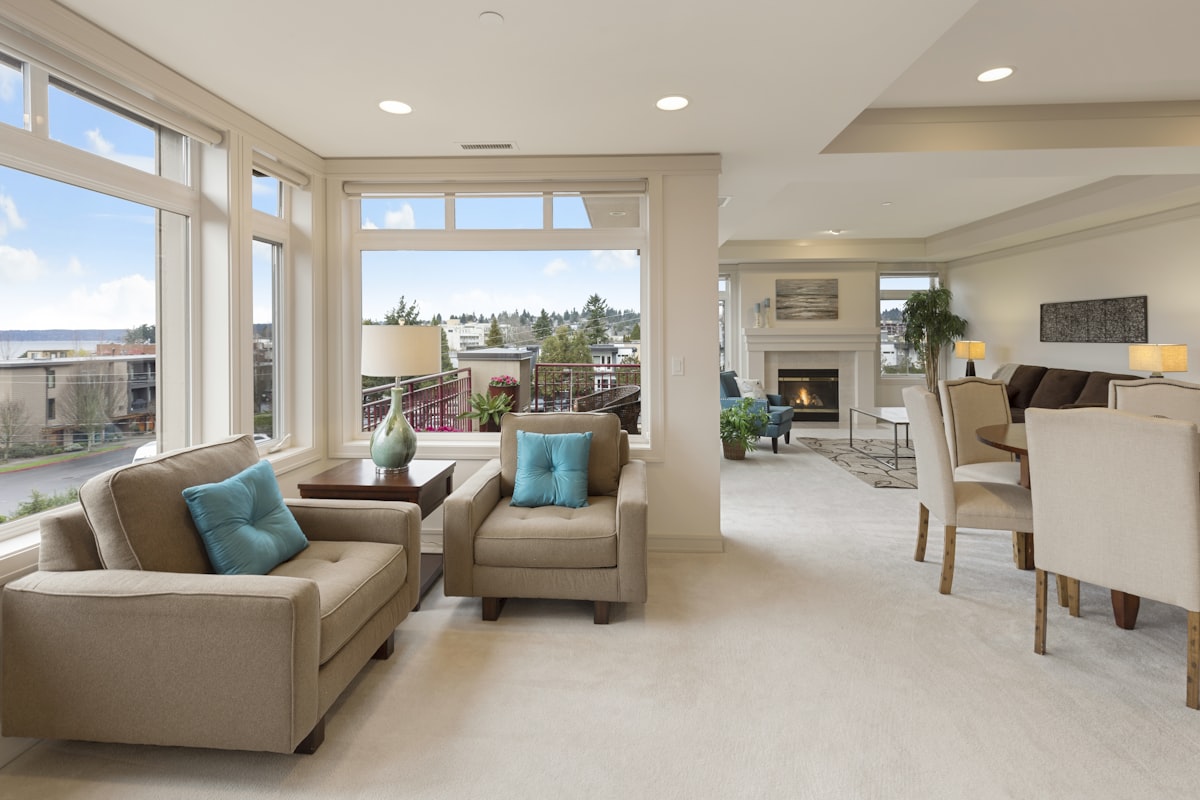

Written by the advisory desk at Being Real Estate, the team that has walked 2,400+ families from first shortlist to final registration across Mumbai, Thane and Navi Mumbai. Reading time: about 45 minutes. This is our complete, plain-English guide to carpet area, built-up area and super built-up area in 2026: what each means under RERA, how loading inflates the number you are quoted, and how to work out what you are really paying per usable square foot. It is the companion to our guide to verifying any project’s RERA.
Here is a number that has quietly cost Indian homebuyers lakhs for decades: the square footage on the brochure. For years, developers sold “1,000 sq ft” flats in which you could actually use barely 600. The gap, the lobbies, the lift shafts, the staircases, a slice of the swimming pool, was bundled into the price and called “super built-up area.” You paid for space you would never set foot in alone.
RERA changed the rules in 2016, and the single most important protection it gave buyers is this: a flat must now be sold on its carpet area, the real, usable floor space inside your walls. But the old habits, and the old confusing vocabulary, have not vanished. Buyers are still quoted built-up and super built-up figures, still shown deceptively low per-square-foot rates, and still sign without knowing how much usable space they are actually buying.
This guide ends that confusion for good. By the time you finish, you will know exactly what carpet, built-up and super built-up mean, how the “loading factor” works, how to calculate the real price per usable foot, and how to never overpay for space you cannot use again.
Carpet vs built-up vs super built-up in 60 seconds
- Carpet area is the net usable floor space inside your apartment’s walls, the only number RERA allows a builder to sell on. It is what you actually live in.
- Built-up area is carpet area plus the walls and usually the balcony, roughly 10–15% more than carpet. Carpet is typically about 70% of built-up.
- Super built-up area is built-up plus a proportionate share of common spaces, lobbies, stairs, lifts, amenities, the inflated “saleable” figure builders historically quoted.
- Loading factor is the gap: (super built-up − carpet) ÷ carpet. Nationally it runs 20–40%; in dense, amenity-heavy Mumbai it often hits 40–50%.
- RERA rule (since 2016): builders can legally sell and quote only on RERA carpet area. Insist on it, and verify it in the agreement.
- The trap: a low per-square-foot rate quoted on super built-up can hide a much higher real rate per usable foot. Always divide the all-in cost by the carpet area.
- Why carpet area is the only number that matters in 2026
- What is carpet area? The RERA definition
- What is built-up area?
- What is super built-up area?
- The loading factor, explained with maths
- How RERA 2016 changed everything
- Carpet vs built-up vs super built-up, side by side
- The real-rate calculator: what you actually pay
- How much does loading really cost you?
- How area games still happen, and how we stop them
- Reading a cost sheet: spotting the area tricks
- Carpet area in your sale agreement
- RERA carpet vs “saleable” area
- Balconies, terraces and what counts
- How to verify a flat’s carpet area before booking
- Carpet area and your home loan
- Carpet area, stamp duty and GST
- Carpet area and resale value
- Loading factor by city: why Mumbai is highest
- What a good carpet-to-super-built-up ratio looks like
- Myths about carpet area, busted
- The 2026 buyer’s playbook for area
- Common mistakes buyers make on area
- If your carpet area is wrong: your RERA rights
- Carpet area for villas, row houses and plots
- How to measure your flat’s carpet area yourself
- Does carpet area differ across RERA states?
- A worked comparison: two flats, decided on carpet
- FAQ: the area questions buyers actually ask
- Glossary: the area terms
1. Why carpet area is the only number that matters in 2026
Direct answer: Carpet area is the only meaningful number because it is the real, usable floor space you live in, and since 2016 it is the only basis on which a developer can legally sell a flat under RERA. Built-up and super built-up figures are larger, looser numbers that include walls and shared spaces; quoting on them is how buyers were historically made to pay for area they could never use. Judge every flat, and every price, on carpet.
Imagine two flats advertised at the same “1,000 sq ft.” In the first, the carpet area, the space inside your walls where furniture actually goes, is 720 sq ft. In the second, it is 580 sq ft. Same headline number, same price perhaps, but the first gives you nearly a quarter more living space. The brochure number told you nothing useful; only the carpet area did. This is why carpet area is not a technicality, it is the single most important figure in the entire transaction.
The shift RERA forced
Before RERA, the “super built-up area” was the industry’s favourite number because it was the biggest. By loading common areas onto your flat, a developer could advertise a larger size and a lower-looking per-square-foot rate while charging you the same total. RERA’s 2016 reform cut through this by mandating that sale and pricing happen on carpet area, the honest, usable number, defined precisely in law. We will quote that definition exactly in the next chapter.
What this means for you as a buyer
The practical takeaway is simple but powerful: anchor everything to carpet. When a developer quotes a price, ask for the RERA carpet area and divide the total cost by it to get the true rate per usable foot. When you compare two projects, compare carpet, not headline sizes. When you sign the agreement, confirm the carpet area is stated. Do this, and the oldest trick in Indian real estate stops working on you.

2. What is carpet area? The RERA definition
Direct answer: Under Section 2(k) of the Real Estate (Regulation and Development) Act, 2016, carpet area means the net usable floor area of an apartment, excluding the area covered by the external walls, the area under services shafts, the exclusive balcony or verandah area and the exclusive open terrace area, but including the area covered by the internal partition walls of the apartment. In plain terms, it is the floor you could lay a carpet on, inside your flat.
This is the legal anchor for everything else, so it is worth understanding precisely rather than vaguely. Let us unpack the statutory definition piece by piece, because each inclusion and exclusion matters.
Why the precise definition matters
The exactness is the point. Before RERA, “carpet area” meant whatever a developer wanted it to mean, and different builders measured it differently. By writing a single statutory definition into law, RERA made the number comparable across projects and enforceable in an agreement. When you see “RERA carpet area” in a cost sheet or agreement, it now refers to this specific, legally defined measure, not a marketing approximation.
3. What is built-up area?
Direct answer: Built-up area is the carpet area plus the area occupied by the walls (internal and external) and usually the balcony. It is larger than carpet area, typically by about 10–15%, which is why carpet area is commonly around 70% of the built-up area. Built-up is a real measure of the space your flat physically occupies, but it is not the usable space, and it is not the RERA sale basis.
If carpet area is the floor you live on, built-up area is the footprint your apartment occupies including its own walls. It sits between carpet and super built-up, and understanding it helps you see how the numbers grow.
What built-up area adds to carpet
Built-up area takes the carpet area and adds the thickness of the walls, both the internal partition walls and the external walls, and generally the balcony or terrace area that carpet excludes. Because walls and balconies are real and occupy space, built-up is a genuine physical measure. But you cannot place furniture inside a wall, so built-up overstates the space you can actually use.
Built-up area was the common quoting basis before super built-up took over, and it still appears in older documents and some valuations. It is more honest than super built-up because it does not load shared common areas onto your flat, but it is still not the number RERA requires for sale, and it is still not your usable space.

4. What is super built-up area?
Direct answer: Super built-up area is the built-up area of your flat plus a proportionate share of the building’s common areas, lobbies, staircases, lift shafts, corridors and often a slice of amenities like the clubhouse or pool. It is the largest of the three figures and the one developers historically used to quote sizes and prices, because it makes the flat look bigger and the per-square-foot rate look lower. RERA no longer permits selling on it.
Super built-up area, sometimes called “saleable area,” is where the inflation happens. It is not a measure of your flat at all; it is your flat plus a share of everything shared. Understanding it is how you avoid paying premium prices for space you share with hundreds of neighbours.
What gets loaded onto your flat
To arrive at super built-up area, a developer takes your built-up area and adds your “proportionate share” of the common areas: the entrance lobby, the staircases, the lift wells and lobbies, the corridors, the security cabin, and frequently a portion of the amenities, the clubhouse, gym, swimming pool and landscaped areas. The more lavish the amenities, the more there is to load, which is exactly why amenity-heavy luxury projects in Mumbai carry the highest super built-up figures.
Super built-up is typically 25–35% larger than RERA carpet area as a national norm, but in dense, amenity-rich cities, and Mumbai is the prime example, it commonly runs 40–50% larger. That gap is the loading factor, and it is the single most important concept in this entire guide. We turn to it next.

5. The loading factor, explained with maths
Direct answer: The loading factor is the percentage gap between super built-up area and carpet area, calculated as (super built-up area − carpet area) ÷ carpet area. If a flat has 1,000 sq ft carpet and 1,300 sq ft super built-up, the loading is (1,300 − 1,000) ÷ 1,000 = 30%. Nationally loading runs 20–40%; in Mumbai it commonly reaches 40–50%. The higher the loading, the less of what you pay for is usable.
The loading factor is the single number that tells you how honest a flat’s headline size is. Master it, and you can instantly translate any “super built-up” or “saleable” figure back into real, usable space.
The formula, and what it means
Loading factor = (super built-up area − carpet area) ÷ carpet area, expressed as a percentage. A 30% loading means that for every 100 sq ft of usable carpet, you are being charged for 130 sq ft of “saleable” area, the extra 30 being your share of walls and common spaces. At 50% loading, common in premium Mumbai towers, you pay for 150 sq ft to use 100. Your carpet is only two-thirds of what you are billed for.
Why a lower loading factor is better
A lower loading factor means you get more usable space for the same “saleable” size, and a more efficient building. As a rough guide, loading below 30% is efficient, 30–40% is typical, and above 40% (common in amenity-heavy Mumbai projects) means a large share of your payment buys shared space. Neither extreme is automatically right, more amenities can justify higher loading, but you should always know the number and decide consciously, not be surprised by it.
“RERA gave you the right number. Anchoring every price and comparison to carpet is the protection — the reform only works for the buyer who insists on it.”On the right RERA gave you
6. How RERA 2016 changed everything
Direct answer: The Real Estate (Regulation and Development) Act, 2016, made it mandatory for developers to sell and quote apartments on the basis of RERA carpet area, the precisely defined usable floor space, rather than the inflated super built-up area used before. This single reform ended the era of buyers unknowingly paying for shared spaces at full flat rates, and gave the carpet figure the force of law in every sale agreement.
To appreciate how big this shift was, you have to remember how things worked before. RERA did not just tweak a rule; it removed the industry’s main pricing sleight of hand.
The world before RERA
Pre-2016, there was no uniform, legally binding definition of how to measure a flat, and developers overwhelmingly sold on super built-up area. Two builders could quote the same flat as different sizes, buyers could not compare projects honestly, and the “loading” of common areas was opaque, you rarely knew how much of your payment bought usable space. Disputes over delivered area versus promised area were common and hard to win.
What RERA mandated
RERA introduced a single statutory definition of carpet area (Section 2(k), quoted in chapter 2) and required that sale and advertising be based on it. Now the carpet area must be disclosed, it is comparable across projects because everyone measures it the same way, and it is stated in the registered agreement, making it enforceable. If the delivered carpet area falls short of what was promised, you have a defined legal basis to seek a remedy.
The reform is real and powerful, but it is not self-enforcing. Old habits persist, and buyers who do not insist on carpet, who let a salesperson keep the conversation on “saleable” figures, can still be confused into overpaying. RERA gave you the right number; using it is up to you, which is what the rest of this guide equips you to do.

7. Carpet vs built-up vs super built-up, side by side
Direct answer: Carpet area is the usable floor inside your flat (the RERA sale basis); built-up area adds the walls and balcony (about 10–15% more than carpet); super built-up area adds a proportionate share of common areas and amenities (typically 25–50% more than carpet, highest in Mumbai). Carpet is the smallest and the only one that is fully usable and legally required for pricing. Always compare flats on carpet.
Seeing the three side by side makes the hierarchy clear. Here is the comparison, with a worked illustration on a single flat.
| Measure | What it includes | Rough size vs carpet | Usable? |
|---|---|---|---|
| Carpet area | Usable floor inside the flat + internal walls | Baseline (100%) | Yes, fully |
| Built-up area | Carpet + walls + balcony | ~110–120% | Partly (walls are not usable) |
| Super built-up area | Built-up + share of common areas & amenities | ~125–150% | Shared, not exclusive |
One flat, three numbers
Take a single Mumbai flat with 650 sq ft of RERA carpet area. Its built-up area might be roughly 750 sq ft (adding walls and balcony). Its super built-up area, at a 40% loading, would be about 910 sq ft (650 × 1.40). The same home is honestly “650 sq ft carpet,” reasonably “750 sq ft built-up,” and was historically advertised as “910 sq ft,” with the price-per-square-foot quoted on the largest, most flattering number.
8. The real-rate calculator: what you actually pay
Direct answer: Because a per-square-foot rate quoted on super built-up area is spread over inflated space, it understates what you truly pay per usable foot. The real rate per carpet square foot equals the quoted super-built-up rate multiplied by (1 + loading factor). At 30% loading, a “₹12,000 per sq ft” quote is really ₹15,600 per usable square foot. Use the calculator below to translate any quote into the honest number.
This is the calculation that protects your wallet. Drag the sliders to a flat you are considering and see what you are genuinely paying for usable space.
Carpet area & real-rate calculator
See the true price per usable (carpet) square foot behind any super-built-up quote. Indicative; confirm exact figures in the cost sheet and agreement.
How to read the result
The headline output, the real rate per usable square foot, is the number that matters. A flat quoted at ₹12,000 per sq ft on super built-up, at 30% loading, actually costs ₹15,600 for every square foot you can live in. Two flats with the same quoted rate but different loading factors have very different real rates; the one with higher loading is the more expensive home per usable foot, even though the sticker looks identical.

9. How much does loading really cost you?
Direct answer: Loading costs you in two ways: in money, because a higher loading factor raises the real price per usable square foot, and in space, because more of your home’s “saleable” size is unusable. On a ₹1.2 crore flat, the difference between 25% and 45% loading can be ₹15–25 lakh of value tied up in shared space rather than your own home, for the same headline size. Knowing the loading is worth lakhs.
Loading is not an abstract percentage; it is real rupees and real living space. Let us quantify it with a side-by-side comparison of two flats that look identical on a brochure.
| Item | Flat A (efficient) | Flat B (heavy loading) |
|---|---|---|
| Super built-up (saleable) size | 1,000 sq ft | 1,000 sq ft |
| Loading factor | 25% | 45% |
| RERA carpet area | 800 sq ft | 690 sq ft |
| Usable space you get | 800 sq ft | 690 sq ft |
| If both cost ₹1.2 crore | ₹15,000 / carpet sq ft | ₹17,391 / carpet sq ft |
Both flats are advertised as “1,000 sq ft” and both cost ₹1.2 crore, yet Flat A gives you 110 sq ft more usable space, a whole extra small room, and a real rate nearly ₹2,400 per square foot cheaper. The only difference is the loading factor, a number that never appears on the brochure unless you ask for it.
The two costs, separated
None of this means high-loading buildings are bad, lavish amenities and grand lobbies are genuine benefits some buyers happily pay for. The point is to choose consciously: know the loading, know the real rate per carpet foot, and decide whether the shared space is worth what it costs you. That is a decision; being surprised by it is a loss.
Want every flat shown to you in honest carpet terms?
Tell us your budget and the area you want, and we’ll send a shortlist with the RERA carpet area, the loading factor and the real rate per usable square foot laid bare for each option — so you compare homes, not marketing. Our own number on every recommendation, and zero brokerage to you.
10. How area games still happen, and how we stop them
Direct answer: Even after RERA, buyers are confused by sellers who quote sizes and rates on super built-up or “saleable” area, state carpet only in small print, bundle balcony into carpet, or compare projects on inconsistent measures. The defence is consistent: insist on the RERA carpet area in writing, compute the loading and real rate yourself, and compare every flat on carpet. We do this for our clients on every project, so the games never reach you.
RERA gave buyers the right number, but it did not change human nature or sales incentives. The old tactics survive in softer forms, and recognising them is half the protection.
The tactics that persist
This is exactly the legwork we take off a buyer’s plate. For every project we shortlist, we pull the RERA carpet area, compute the loading and the real rate per carpet foot, and present every option on the same honest basis, so you compare homes, not marketing. It costs you nothing, because we are paid by developers, never by you, and our number is always carpet.

11. Reading a cost sheet: spotting the area tricks
Direct answer: On a cost sheet, find the area basis first: look for “RERA carpet area” and confirm the price is calculated on it, not on super built-up or “saleable” area. Check that balcony, parking and amenity charges are listed separately rather than hidden inside the rate, and that the per-square-foot figure, when multiplied by the carpet area, ties to the total. If the sheet leads with a saleable size and a low rate, recompute everything on carpet.
The cost sheet is where area theory meets your actual money. Reading it correctly takes two minutes and can save lakhs. Here is the order in which we scan one.
The cost-sheet checklist
- Identify the area basis. Is the rate applied to “RERA carpet area” or to “super built-up / saleable area”? This is the first and most important thing to establish. Post-RERA it should be carpet.
- Confirm the carpet figure. Note the stated RERA carpet area in square feet and check it matches the floor plan and the agreement.
- Recompute the total. Multiply the carpet area by the rate; it should reconcile to the base cost. If the total only makes sense using a larger (super built-up) area, the quote is not truly on carpet.
- Separate the extras. Floor rise, parking, clubhouse, infrastructure and development charges should be itemised, not buried in an inflated rate. Tally them into your real all-in cost.
- Derive the real rate. Divide the all-in cost (including the extras) by the carpet area to get your true price per usable foot. This is the number to compare across projects.
- Watch the balcony. Confirm balcony or terrace area is stated separately and not silently added to carpet.
“A size on a brochure is a hope; a carpet area in a registered agreement is a right. The difference between the two is the whole game.”On what the agreement protects
12. Carpet area in your sale agreement
Direct answer: Your registered agreement for sale must state the RERA carpet area of the apartment, and this is your legal protection: it is the number the developer is contractually bound to deliver. Confirm the carpet area is written into the agreement (not just the brochure), that it matches what you were quoted, and that balcony and other areas are stated separately. If the delivered carpet falls short, the agreement and RERA give you a basis for remedy.
Everything in this guide comes to a point in the agreement, because the brochure is marketing but the agreement is law. The carpet area written there is the promise you can enforce.
What to confirm in the agreement
Before you sign, verify that the agreement explicitly states the RERA carpet area in square feet (or square metres), and that this figure matches the cost sheet and the floor plan you were shown. The balcony, terrace and any other areas should be listed separately with their own figures, not merged into the carpet number. The price and the carpet area together let anyone confirm the real rate, so both must be unambiguous and consistent.

13. RERA carpet vs “saleable” area
Direct answer: “Saleable area” is an informal marketing term, usually a synonym for super built-up area, that has no precise legal definition under RERA. It typically equals carpet area plus walls plus a loaded share of common areas and amenities. RERA recognises and requires carpet area; “saleable” or “super built-up” figures are not the legal sale basis. Whenever you see “saleable area,” ask for the RERA carpet figure behind it.
“Saleable area” sounds official, which is exactly why it persists, but it is a sales construct, not a legal measure. Understanding that it is just super built-up area by another name strips it of its power to confuse.
Why the term survives
“Saleable area” endures because it serves the seller: it is the largest number, it makes the per-square-foot rate look lowest, and its very name implies it is the proper basis for a sale, which post-RERA it is not. Different developers may even define “saleable” slightly differently, since no statute fixes it, making cross-project comparison on saleable area meaningless.
14. Balconies, terraces and what counts
Direct answer: Under RERA, exclusive balcony, verandah and open terrace areas are excluded from carpet area, they are real, usable space, but they are stated separately, not inside the carpet figure. Internal partition walls are included in carpet; external walls and services shafts are excluded. Knowing exactly what counts where stops developers from inflating the carpet number by quietly folding in balcony space.
The boundaries of carpet area are precise in law, and the most common point of confusion, and quiet manipulation, is the balcony. Let us settle exactly what is in and what is out.
Why the balcony point matters
Because balcony area is excluded from RERA carpet, a transparent quote lists carpet and balcony separately, for example, “600 sq ft carpet + 60 sq ft balcony.” A less transparent one might state “660 sq ft carpet,” folding the balcony in to make the usable space look larger. The figures should always be itemised so you know exactly how much true carpet you are buying versus how much balcony.

15. How to verify a flat’s carpet area before booking
Direct answer: Verify carpet area by cross-checking three sources: the RERA-registered project details on maharera.maharashtra.gov.in (which list the carpet area of unit types), the developer’s cost sheet, and the floor plan with dimensions. Confirm all three agree, that the rate is applied to carpet, and that the figure will be written into your agreement. If they disagree, resolve the discrepancy before paying anything.
Carpet area is verifiable, not something you have to take on trust, and verifying it is a core part of the diligence we walk through in our two-minute RERA verification guide. Here is the area-specific check.
The carpet-area verification steps
- Check the MahaRERA listing. On maharera.maharashtra.gov.in, find the registered project and review the disclosed unit types and their carpet areas. This is the official, filed figure.
- Match the cost sheet. Confirm the carpet area on the developer’s cost sheet matches the RERA listing and that the price is applied to carpet.
- Read the floor plan. Check the dimensioned floor plan; the room sizes should be consistent with the stated carpet area. Wildly generous room labels against a small carpet figure are a flag.
- Confirm it enters the agreement. Ensure the same carpet area will be written into the registered agreement for sale.
- Separate the balcony. Verify balcony or terrace area is shown apart from carpet across all documents.
16. Carpet area and your home loan
Direct answer: Banks value a property on its own assessment, which is grounded in the usable area and the prevailing market rate, not on a developer’s inflated super built-up figure. A flat quoted with heavy loading can therefore see a lender’s valuation come in below the asking price, affecting how much it will fund. Knowing the carpet area and the real rate per carpet foot helps you anticipate the valuation and your true funding gap.
Carpet area does not only shape what you pay; it shapes what a bank will lend, because the lender’s technical valuation looks past the brochure to the real asset.
How the valuation connects to area
When you apply for a home loan, the bank’s valuer assesses the property’s worth based on its usable area, location and market rates, not on the seller’s super built-up size. If a flat is priced aggressively on an inflated saleable area, the bank’s carpet-based valuation may be lower than the agreement value, and since the bank funds a percentage of its own valuation (not necessarily the asking price), your required down payment can be larger than expected. We cover the full loan process in our location guides; the area-specific point is that carpet honesty protects your financing too.

17. Carpet area, stamp duty and GST
Direct answer: Stamp duty is charged on the agreement value (or the government-assessed value if higher), which is tied to the carpet-based price you actually pay, so an honest carpet figure keeps your duty calculation clean. GST on under-construction homes is similarly applied to the agreement value, and affordable-housing GST rates depend partly on carpet-area limits. In short, the carpet area underpins your tax and duty just as it underpins your price.
Area is not only a pricing concept; it flows into your taxes and duties, which is one more reason the carpet figure must be accurate and properly documented.
The unifying theme is that carpet area is the honest spine of the entire transaction, price, duty, GST and loan all rest on it. Get the carpet number right and documented, and every downstream calculation stays clean; let it be fuzzy, and ambiguity creeps into everything.
18. Carpet area and resale value
Direct answer: At resale, increasingly informed buyers and their banks evaluate a flat on its carpet area and real usable space, so the honest number drives your exit value, not the inflated saleable size. A flat with efficient layout and a fair loading factor tends to resell better per usable foot than a heavily loaded one of the same headline size. Buying right on carpet today protects your resale tomorrow.
Carpet area matters not just when you buy but when you sell, because the next buyer, now RERA-educated, will judge usable space exactly as you should have when buying.
Why carpet drives resale
As RERA awareness spreads, resale buyers increasingly ask for carpet area and compute their own real rate, just as this guide teaches. A flat that offers genuine usable space at a fair loading is more attractive, and more defensible on price, than one whose headline size hides heavy loading. Banks valuing the resale will likewise look at usable area and market rates. So the efficiency you check when buying becomes the selling point you rely on at exit.

19. Loading factor by city: why Mumbai is highest
Direct answer: Loading factors vary by city and project density. Across Indian metros the typical range is 20–40%, with under 30% considered efficient. Dense, high-rise, amenity-heavy cities, Mumbai above all, commonly run 40–50% loading, because tall towers need more lift cores, lobbies, staircases and fire-safety space, and premium projects load extensive amenities. So the same headline size buys less carpet in Mumbai than in many other cities.
Loading is not uniform across India; it reflects how a city builds. Understanding why Mumbai sits at the top helps you set realistic expectations and judge a specific project fairly.
Why density drives loading
Tall buildings are loading-intensive by nature. A high-rise needs multiple lifts and lift lobbies on every floor, wider staircases and fire-escape routes, larger services cores, and more circulation space than a low-rise. All of that common area is shared among the flats and loaded onto their saleable size. Add the lavish amenities, clubhouses, pools, gyms, landscaped decks, that premium Mumbai projects compete on, and the loaded share climbs further. The result is the 40–50% loading common in the city, versus 20–30% in lower-density markets.
20. What a good carpet-to-super-built-up ratio looks like
Direct answer: A good, efficient ratio is one where carpet area is a high share of the saleable area, broadly, a loading factor below 30% (carpet above ~77% of super built-up) is efficient, 30–40% is typical, and above 40% means a large share is shared space. In Mumbai, where loading often runs 40–50%, “good” is relative, look for projects at the lower end of the local range for the amenity level, and judge whether the shared space justifies the loading.
Buyers often ask for a single “good number.” There is a useful rule of thumb, but it must be read against the city and the project, not applied blindly.
| Loading factor | Carpet as % of saleable | Read |
|---|---|---|
| Under 30% | Above ~77% | Efficient, more home per saleable foot |
| 30–40% | ~71–77% | Typical, reasonable for amenity projects |
| 40–50% | ~67–71% | Heavy, common in premium Mumbai high-rises |
| Above 50% | Below ~67% | Very heavy, scrutinise what justifies it |
How to judge a specific project
Rather than chase an abstract ideal, compare a project’s loading to the norm for its city and segment. In Mumbai, a 38% loading on a well-amenitied tower may be efficient for the market, while 50% on a basic building is not. Ask what the loading buys, genuine, well-built amenities and the necessary high-rise infrastructure are worth paying a share for; thin amenities behind heavy loading are not. The number alone is a starting point; what it funds is the judgment.

“Almost every area myth dissolves the moment you ask for the RERA carpet area in writing and divide the all-in cost by it. That turns marketing back into maths.”On the one discipline that ends area confusion
21. Myths about carpet area, busted
Direct answer: Common myths include: that RERA carpet and “carpet area” always mean the same thing (definitions varied pre-RERA), that a bigger headline size means a bigger home (loading decides), that low per-square-foot rates are always cheaper (they may be quoted on inflated area), and that balcony is part of carpet (RERA excludes it). The truth in every case is the same, anchor to RERA carpet and compute the real rate.
Area is surrounded by half-truths that cost buyers money. Let us bust the most damaging ones directly.
22. The 2026 buyer’s playbook for area
Direct answer: To handle area like a professional in 2026: always ask for the RERA carpet area in writing; get the super built-up or saleable figure too and compute the loading factor; convert every quoted rate to a real rate per carpet foot; compare all shortlisted flats on carpet; confirm the carpet area is cross-checked across the RERA listing, cost sheet, floor plan and agreement; and ensure balcony is stated separately. Then decide on usable value, not headline size.
Everything in this guide reduces to a short, repeatable sequence. Run it on every flat and the area game simply cannot work on you.
The area buying sequence
- Step 1, demand carpet. Ask for the RERA carpet area in writing for every flat, before discussing price.
- Step 2, get the loading. Ask for the super built-up / saleable area too, and compute the loading factor: (saleable − carpet) ÷ carpet.
- Step 3, find the real rate. Divide the all-in cost (base + floor rise + parking + charges) by the carpet area to get your true price per usable foot.
- Step 4, compare on carpet. Reduce every shortlisted project to carpet and real rate, and compare those, never headline sizes.
- Step 5, cross-check. Confirm the carpet figure agrees across the MahaRERA listing, cost sheet, floor plan and the agreement.
- Step 6, separate the balcony. Ensure balcony, terrace and other areas are stated apart from carpet.
- Step 7, decide on value. Choose on usable space and real rate, weighing whether the loading buys amenities you actually want.
This is precisely the sequence we run for clients on every shortlist, so they receive every option pre-translated into carpet and real rate. Whether you use us or do it yourself, follow these seven steps and you will never again confuse a big brochure number for a big home.
23. Common mistakes buyers make on area
Direct answer: The costliest area mistakes are comparing flats on headline (saleable) size instead of carpet, trusting a low per-square-foot rate without checking the area basis, ignoring the loading factor, letting the carpet area live only on the brochure rather than the agreement, confusing balcony with carpet, and assuming “saleable area” is a fixed legal measure. Each is avoidable with the carpet-first discipline in this guide.
After thousands of transactions, we see the same area errors repeat. Naming them is the cheapest protection a buyer can get.
The mistakes we see most, and the fix for each
- Comparing on headline size. Buyers shortlist by advertised square footage. Fix: reduce every flat to RERA carpet before comparing.
- Falling for the low rate. A cheap-looking per-square-foot number may be on super built-up. Fix: convert to a real rate per carpet foot first.
- Ignoring loading. Buyers never ask the loading factor. Fix: compute it for every flat; it is the honesty test of the size.
- Leaving carpet on the brochure. The carpet number is assumed, not documented. Fix: confirm it is written into the registered agreement.
- Confusing balcony and carpet. A combined figure inflates usable space. Fix: insist carpet and balcony are stated separately.
- Trusting “saleable area.” Buyers treat it as official. Fix: read it as super built-up, and ask for the carpet behind it.
- Skipping the cross-check. One document’s number is taken on trust. Fix: verify carpet agrees across RERA, cost sheet, plan and agreement.
The thread through all of them is the same: marketing leads with the biggest, vaguest number, and the disciplined buyer quietly converts everything back to carpet and real rate. Do that consistently, and the entire category of area mistakes closes to you.
24. If your carpet area is wrong: your RERA rights
Direct answer: If the carpet area delivered is less than what your registered agreement promised, RERA gives you defined protection: the agreement’s carpet figure is enforceable, and shortfalls can entitle you to a remedy. You can raise the issue with the developer in writing and, if unresolved, file a complaint with MahaRERA. Because the carpet area is documented and legally defined, a shortfall is a measurable breach, not a matter of opinion.
RERA did not just standardise the carpet number; it made it enforceable, which is what turns the definition into real protection. Knowing your recourse is the final piece of buying confidently.
What your protection rests on
Your strongest position comes from the carpet area being written into the registered agreement (chapter 12). Because that figure is contractual and RERA-defined, a delivered shortfall is a clear, quantifiable discrepancy. This is exactly why we insist the carpet area appear in the agreement, not merely the brochure, a promise you can measure is a promise you can enforce.
If you suspect a carpet shortfall
- Document the promise. Gather the registered agreement, cost sheet and RERA listing showing the committed carpet area.
- Measure or get it measured. Establish the actual delivered carpet area, professionally if needed.
- Raise it in writing. Notify the developer of the discrepancy formally, with your documents.
- Escalate to MahaRERA. If unresolved, file a complaint with the authority at maharera.maharashtra.gov.in, citing the agreement figure and the shortfall.
- Take advice. For significant shortfalls, consult a property lawyer on the remedies available under RERA and your agreement.
25. Carpet area for villas, row houses and plots
Direct answer: Carpet area concepts apply mainly to apartments. For independent villas and row houses, the relevant measures are usually built-up area (the constructed floor area across floors) and plot area (the land), with much lower or no “loading,” since there are few shared common areas. For plots, you buy land area directly. When buying any of these, confirm exactly which area, carpet, built-up, plot, each quoted number refers to.
Not every property is an apartment, and the area vocabulary shifts for villas, row houses and plots. Knowing the difference prevents you from misreading a quote.
The unifying principle still holds: always confirm precisely which area a price refers to. The trap of paying for one measure while assuming another exists for villas and plots too, just in different form. Ask, “is this built-up, plot, or carpet?”, and get the answer in writing.
26. How to measure your flat’s carpet area yourself
Direct answer: You can approximate carpet area by measuring the length and breadth of each usable room inside your flat (in feet), multiplying to get each room’s area, and summing them, including internal passages but excluding the balcony, which you measure separately. This gives a working check against the stated figure; for any legal or dispute purpose, rely on the RERA carpet area in your registered documents or a professional measurement.
While the official figure should come from your documents, a rough self-measurement is a useful sanity check, especially if a delivered flat feels smaller than promised.
A simple carpet-area self-check
- Measure each room. Length × breadth in feet for the living room, each bedroom, kitchen, bathrooms and internal passages, the usable floor inside your walls.
- Sum the rooms. Add the room areas together; this approximates the carpet area, since carpet includes the usable floor and internal partition walls.
- Measure the balcony separately. Do not add the balcony to the carpet total; note it as its own figure, since RERA excludes it.
- Compare to the stated carpet. Check your sum against the carpet area in the agreement. Small differences are normal; a large shortfall warrants a professional measurement and a query to the developer.
- Get it done professionally if disputing. For any formal dispute, commission a qualified surveyor; a DIY figure is a prompt, not legal proof.
27. Does carpet area differ across RERA states?
Direct answer: The core definition of carpet area comes from the central RERA Act, 2016, so the fundamental meaning is consistent nationwide. However, each state runs its own RERA authority (MahaRERA in Maharashtra) and may issue clarifications on measurement details, and loading norms vary by city and market. So while “carpet area” means the same thing in law everywhere, the practical loading you encounter, and the state portal you verify on, differ by location.
Buyers comparing across cities sometimes wonder whether carpet area itself changes by state. The definition does not; the context around it does.
What is uniform and what varies
So when you move your search across cities, keep the carpet definition as your constant and adjust your loading expectations to the local norm, verifying each project on its state’s RERA portal. The honest number is the same everywhere; only the surrounding market changes.
28. A worked comparison: two real flats, decided on carpet
Direct answer: When you reduce two flats to carpet area and real rate per usable foot, the better buy often flips versus the brochure impression. A larger-sounding, lower-rate flat with heavy loading can deliver less usable space at a higher real price than a smaller-sounding, efficient one. The carpet-and-real-rate method turns a confusing comparison into a clear decision. Here is exactly how it plays out.
Theory becomes obvious in a worked example. Consider two flats a buyer is choosing between, presented the way developers present them, then translated the way you should read them.
| Item | Flat A (the “bigger” one) | Flat B (the “smaller” one) |
|---|---|---|
| Advertised (saleable) size | 1,100 sq ft | 950 sq ft |
| Quoted rate (on saleable) | ₹11,000 / sq ft | ₹12,500 / sq ft |
| Loading factor | 48% | 28% |
| RERA carpet area | 743 sq ft | 742 sq ft |
| Total cost | ₹1.21 crore | ₹1.19 crore |
| Real rate / carpet sq ft | ₹16,285 | ₹16,025 |
What the translation reveals
On the brochure, Flat A looks bigger (1,100 vs 950 sq ft) and cheaper per square foot (₹11,000 vs ₹12,500). A buyer comparing headlines would pick Flat A in a heartbeat. But once you compute carpet, the two flats deliver almost identical usable space (743 vs 742 sq ft), because Flat A’s 48% loading eats its size advantage. And on real rate per usable foot, Flat B is actually slightly cheaper (₹16,025 vs ₹16,285) and costs less in total. The “bigger, cheaper” flat is neither.
The decision now turns on the right factors, layout quality, location, the developer, and whether Flat A’s heavier loading buys amenities you actually want, rather than on a misleading headline. That is the entire purpose of the carpet-and-real-rate method: it removes the marketing distortion so the genuine differences decide.
Frequently asked questions about carpet area
What is carpet area in simple terms?
Carpet area is the actual usable floor space inside your flat, the area you could lay a carpet on, including your internal partition walls but excluding external walls, services shafts and the balcony. Under RERA it is the legally defined, mandatory basis for selling a flat, and it is the most honest measure of how much home you are buying.
What is the difference between carpet area and built-up area?
Carpet area is the usable floor inside your flat; built-up area is the carpet area plus the walls and usually the balcony, making it roughly 10–15% larger. Carpet is typically about 70% of built-up. Built-up reflects the space your flat physically occupies, but it is not all usable, and it is not the RERA sale basis.
What is super built-up area?
Super built-up area is the built-up area plus a proportionate share of the building’s common spaces, lobbies, staircases, lifts and amenities. It is the largest of the three figures and was historically used to quote sizes and prices. It is typically 25–50% larger than carpet, highest in dense, amenity-rich cities like Mumbai, and RERA no longer allows selling on it.
What is the RERA definition of carpet area?
Under Section 2(k) of the RERA Act 2016, carpet area is the net usable floor area of an apartment, excluding the area covered by external walls, services shafts, and exclusive balcony, verandah or open terrace, but including the area covered by the internal partition walls of the apartment. It is the only figure on which a flat can legally be sold.
What is the loading factor?
The loading factor is the percentage gap between super built-up area and carpet area, calculated as (super built-up area − carpet area) ÷ carpet area. A 30% loading means you are charged for 130 sq ft of saleable area for every 100 sq ft of usable carpet. Mumbai loading commonly runs 40–50%.
How do I calculate carpet area from super built-up area?
Divide the super built-up area by (1 + loading factor). For example, at 40% loading a 1,400 sq ft super built-up flat has a carpet area of 1,400 ÷ 1.40 = 1,000 sq ft. If you do not know the loading, ask the developer for both the carpet and super built-up figures and compute it yourself.
Is carpet area 70% of built-up area?
As a rough rule of thumb, yes, carpet area is commonly around 70% of built-up area, since built-up adds walls and balcony. But this is an approximation; the exact ratio depends on the design. For super built-up area the ratio is lower still, often 67–77% of saleable area depending on the loading factor.
Can a builder sell on super built-up area after RERA?
No. Since the RERA Act 2016, builders must sell and quote apartments on the basis of RERA carpet area, not super built-up or “saleable” area. They may mention super built-up for context, but the legal sale basis is carpet. Always ask for the carpet figure and confirm it is what the price is applied to.
What is “saleable area”?
“Saleable area” is an informal marketing term, usually a synonym for super built-up area, with no precise legal definition under RERA. It includes carpet plus walls plus a loaded share of common areas. Because it is not a fixed legal measure, treat it as super built-up and always ask for the RERA carpet area behind it.
Is balcony included in carpet area?
No. Under RERA, exclusive balcony, verandah and open terrace areas are excluded from carpet area and should be stated separately. A transparent quote shows carpet and balcony as distinct figures, for example “600 sq ft carpet + 60 sq ft balcony,” rather than folding the balcony into the carpet number to inflate it.
Why is the loading factor so high in Mumbai?
Mumbai’s high-rise density drives loading up: tall towers need more lifts, lobbies, staircases, fire-safety and services space, all shared and loaded onto flats, and premium projects add extensive amenities. The result is loading commonly in the 40–50% range, versus 20–30% in lower-density cities. The same headline size therefore buys less carpet in Mumbai.
What is a good loading factor?
Broadly, a loading factor under 30% is efficient, 30–40% is typical, and above 40% means a large share is shared space. In Mumbai, where 40–50% is common, judge a project against the local norm and what the loading buys. Lower is generally better, but a fair loading on genuinely good amenities can be worth it.
How do I know if a flat’s price is quoted on carpet or super built-up?
Check the cost sheet: it should state “RERA carpet area” and apply the rate to it. Multiply the carpet area by the rate, it should reconcile to the base cost. If the total only makes sense using a larger (super built-up) area, the quote is on super built-up, and you should recompute the real rate per carpet foot.
Does carpet area affect my home loan?
Indirectly, yes. Banks value a property on their own assessment of usable area and market rates, not on inflated super built-up figures. A flat priced aggressively on saleable area can see a lower bank valuation, increasing your required down payment. Knowing the real rate per carpet foot helps you anticipate the valuation and funding gap.
Does carpet area affect stamp duty and GST?
Stamp duty is charged on the agreement value (or higher government-assessed value), which reflects the carpet-based price you pay. GST on under-construction homes applies to the agreement value, and the concessional 1% affordable-housing GST rate depends partly on carpet-area limits. So an accurate carpet figure keeps your duty and tax calculations consistent.
Should I compare flats on carpet or super built-up?
Always on carpet. Two flats with the same super built-up size can have very different carpet areas depending on loading, so headline sizes are not comparable. Reduce every flat to its RERA carpet area and its real rate per carpet foot, then compare those. Carpet is the only honest, like-for-like basis.
What should the agreement say about carpet area?
Your registered agreement for sale must state the RERA carpet area in square feet or metres, matching the cost sheet and floor plan, with balcony and other areas listed separately. This written figure is the developer’s enforceable promise. Never rely on a brochure or verbal assurance; the carpet area must be in the agreement.
What if the delivered carpet area is less than promised?
If the carpet area handed over is less than the registered agreement committed, that is a measurable breach. Document the promised figure, establish the actual delivered area, raise the discrepancy with the developer in writing, and if unresolved file a complaint with MahaRERA. The defined, contractual carpet number is what makes a shortfall enforceable.
Is RERA carpet area the same as the old carpet area?
Not necessarily. Before RERA, “carpet area” had no uniform legal definition and builders measured it differently. RERA’s Section 2(k) created a single statutory definition, so “RERA carpet area” is now a precise, comparable and enforceable figure. When verifying a flat, look specifically for the RERA carpet area.
How can I verify a flat’s carpet area?
Cross-check three sources: the MahaRERA project listing at maharera.maharashtra.gov.in (the official filed carpet areas), the developer’s cost sheet, and the dimensioned floor plan. Confirm all three agree, that the price is on carpet, and that the figure will be written into your agreement. Our two-minute RERA verification guide covers the full process.
Does a bigger super built-up area mean a bigger flat?
Not necessarily. A larger super built-up area can simply reflect higher loading, more shared space charged to the flat, not more usable room. A flat with a smaller super built-up size but lower loading can have more carpet than a larger-sounding heavily loaded one. Only the carpet area tells you the real size.
What is the difference between carpet area and usable area?
They are very close: carpet area, as defined by RERA, is essentially the usable floor area inside your flat (including internal walls, excluding external walls, shafts and balcony). Some informal “usable area” figures may differ slightly in what they count, so for any legal or pricing purpose, rely on the RERA carpet area, which is precisely defined.
Why do brochures still show super built-up area?
Habit and marketing advantage. Super built-up is the largest number, making the flat sound bigger and the per-square-foot rate sound lower. RERA requires the carpet figure for sale, but brochures may still feature saleable size prominently. Treat any brochure size as a prompt to ask for the RERA carpet area.
How much carpet do I get in a “1,000 sq ft” Mumbai flat?
It depends entirely on the loading. At 40% loading, a 1,000 sq ft super built-up flat has about 715 sq ft carpet; at 50%, about 667 sq ft. That is why “1,000 sq ft” tells you little in Mumbai, you must ask the loading factor or, better, the carpet area directly, to know the real usable space.
Is carpet area measured before or after plastering?
Carpet area as commonly applied refers to the net usable floor area within the walls; precise measurement conventions (such as wall finishes) can vary, which is part of why RERA’s statutory definition matters, it standardises what is included and excluded. For any purchase, rely on the RERA carpet area stated in the registered documents rather than an informal measurement.
Can two flats with the same carpet area feel different in size?
Yes. Two flats with identical carpet area can live very differently depending on layout efficiency, the shape of rooms, corridor space, and how usable the floor plan is. Carpet area tells you the quantity of usable space; a good layout determines how well that space works. Walk the show flat with your furniture in mind.
Does carpet area include the kitchen and bathrooms?
Yes. Carpet area includes all the usable floor inside your apartment, the living room, bedrooms, kitchen, bathrooms and internal passages, along with the internal partition walls. It excludes external walls, services shafts and the exclusive balcony, verandah or open terrace. Effectively, everything you walk on inside your flat is carpet.
What is a carpet area calculator and how does it help?
A carpet area or loading calculator (like the one in this guide) lets you enter a super built-up size, loading factor and quoted rate to instantly see the real carpet area and the true price per usable square foot. It is the fastest way to translate a flattering “saleable” quote into the honest number you should base your decision on.
Should I ever pay on super built-up area?
No, you should pay and compare on RERA carpet area, which is the legal basis since 2016. If a seller quotes on super built-up or “saleable” area, convert it to a real rate per carpet foot before deciding, and insist the agreement records the carpet figure. Paying on an inflated saleable basis is exactly what RERA was designed to prevent.
Does carpet area matter for resale?
Very much. Resale buyers, increasingly RERA-aware, evaluate flats on carpet area and real usable space, and banks value the resale on usable area too. A flat with efficient layout and fair loading resells better per usable foot than a heavily loaded one of the same headline size. Buying right on carpet protects your future exit value.
How is carpet area calculated?
Carpet area is calculated as the sum of the usable floor areas of all rooms inside the apartment, living room, bedrooms, kitchen, bathrooms and internal passages, including the area under internal partition walls, but excluding external walls, services shafts and the balcony. In practice, you measure each room’s length by breadth, add them up, and exclude the balcony, which is stated separately.
What is the carpet area of a typical 2 BHK flat?
It varies widely by city and project. In Mumbai and the MMR, a 2 BHK commonly offers roughly 490–680 sq ft of RERA carpet area, with premium units larger. The same 2 BHK might be advertised as a much bigger “saleable” size depending on loading, so always ask for the carpet figure rather than relying on the headline.
What is the carpet area of a 1 BHK flat?
A 1 BHK in Mumbai and the MMR typically offers around 300–480 sq ft of RERA carpet area, depending on the project and city. Affordable corridor projects sit at the lower end; premium ones higher. As always, confirm the RERA carpet figure rather than the super built-up size, which can be 40–50% larger in Mumbai.
Is carpet area measured in square feet or square metres?
RERA documents often state carpet area in square metres (the statutory unit), while the market commonly discusses it in square feet. One square metre equals about 10.764 square feet. Always note which unit a figure uses, and convert consistently, so you do not accidentally compare a square-metre figure to a square-foot one.
What is plinth area?
Plinth area is the built-up area of a floor measured at the plinth level, essentially the floor’s outer dimensions including walls. It is closer to built-up area than to carpet, and it is mainly used in construction and approvals rather than in apartment sales. For buying a flat, the relevant figure remains RERA carpet area.
Is terrace area included in carpet area?
No. Exclusive open terrace area, like the balcony, is excluded from RERA carpet area and should be stated separately. A private terrace is genuinely usable and valuable, but it is not counted as carpet, so a transparent quote lists carpet and terrace as distinct figures rather than merging them.
How much loading is legal?
RERA does not cap the loading factor; it simply requires that the sale be on carpet area, so the loading is transparent. In effect, any loading is permitted as long as the carpet figure is disclosed and used for pricing. Your protection is not a legal cap but the requirement to know the carpet area and decide whether the loading is fair.
Can the loading factor be zero?
Effectively no for apartments, since every building has some shared space, walls, staircases, lift cores, that gets loaded. Independent villas and row houses approach very low loading because they have few common areas. For flats, the practical question is not zero loading but a fair loading for the amenities provided.
Why is my flat smaller than the brochure said?
Almost always because the brochure quoted super built-up (saleable) area while the usable space is the carpet area, which is 25–50% smaller depending on loading. The brochure size includes your share of lobbies, lifts and amenities. Check the RERA carpet area in your agreement; that is the usable space, and it is what you actually got.
Is parking included in carpet area?
No. Parking is not part of carpet area; it is a separate entitlement, often charged separately on the cost sheet. Carpet area is strictly the usable floor inside your apartment. Always confirm parking is itemised on its own and not bundled into an inflated area or rate.
How do I find carpet area on the MahaRERA website?
Go to maharera.maharashtra.gov.in, search for the registered project by name or registration number, and open its details. The filing discloses the project’s apartment types and their carpet areas. Match that official figure against the developer’s cost sheet and your floor plan. Our two-minute RERA guide walks through the full search.
What documents show the carpet area?
The carpet area should appear consistently on the MahaRERA project filing, the developer’s cost sheet, the dimensioned floor plan, and, most importantly, the registered agreement for sale. Cross-checking all four is the surest way to confirm the figure is accurate and enforceable. The agreement is the one that legally binds the developer.
Is super built-up area illegal?
No, mentioning super built-up area is not illegal; what RERA changed is that sale and pricing must be on carpet area, not super built-up. Developers may still cite super built-up for context, such as to describe amenities, but they cannot use it as the legal sale basis. Always anchor price and comparison to carpet.
What is the efficiency ratio of a flat?
The efficiency ratio is essentially carpet area as a percentage of super built-up (saleable) area, the inverse perspective on loading. A higher efficiency ratio (say above 77%, i.e. under 30% loading) means more usable home per saleable foot. Comparing efficiency ratios is another way to judge which flat gives you more real space for the money.
Does carpet area include the wall shared with the next flat?
The internal partition walls within your own apartment are included in carpet area. The treatment of a wall shared with an adjacent flat (a common or party wall) follows the statutory definition’s exclusion of external walls and inclusion of internal partition walls; for any precise case, rely on the RERA-stated carpet figure rather than estimating, as measurement conventions are standardised under the Act.
What is the difference between carpet area and chargeable area?
“Chargeable area” is another informal term, usually meaning the area on which the developer charges, historically the super built-up or saleable area. Post-RERA, the chargeable basis must be carpet area. If you see “chargeable area,” confirm whether it refers to carpet (correct) or super built-up (the old, inflated basis), and insist on carpet.
Should I trust the area figure a broker gives me?
Treat any single figure, from a broker, brochure or salesperson, as a starting point to verify, not a fact to trust. Cross-check the carpet area against the MahaRERA listing, the cost sheet, the floor plan and the agreement. A figure that agrees across all four is reliable; one that appears only in a sales conversation is not yet proven.
Does a higher loading factor mean better amenities?
Sometimes, but not always. Higher loading can reflect genuinely extensive amenities and the engineering high-rises require, in which case it may be fair. But it can also reflect inefficient design or simply a way to charge more. Judge loading against what the building actually offers, not on the assumption that high loading guarantees quality.
Is carpet area the same as usable area?
Very nearly. RERA carpet area is, by definition, the net usable floor area inside your flat. Some informal “usable area” figures may count things slightly differently, so for pricing, agreements or disputes, always rely on the RERA carpet area, which is precisely and legally defined, rather than an unofficial “usable area” number.
Can I negotiate based on the loading factor?
Yes, indirectly. Knowing the loading lets you compute the real rate per carpet foot and compare it to genuine carpet-based market rates. If your real rate is high because of heavy loading, that is a fact to raise in negotiation, or a reason to prefer a more efficient project. Carpet-based comparison is itself negotiating leverage.
How does carpet area affect maintenance charges?
Maintenance is often charged per square foot, and societies may levy it on carpet or on super built-up area depending on their rules. If maintenance is charged on super built-up, a heavily loaded flat pays more for the same usable space. Clarify the maintenance basis and rate before buying, it is a recurring cost that the area basis directly affects.
What is the carpet area of a 1 RK or studio?
A 1 RK or studio in Mumbai and the MMR typically offers roughly 250–350 sq ft of RERA carpet area, making it the most affordable entry configuration. As with any flat, the advertised “saleable” size can be substantially larger than the carpet, so confirm the RERA carpet figure to know the true usable space.
How do I convert square metres to square feet for carpet area?
Multiply the square-metre figure by 10.764 to get square feet (1 sq m = 10.764 sq ft). RERA documents often state carpet area in square metres, so this conversion lets you compare it to market quotes in square feet. Always confirm which unit a figure uses before comparing two areas.
Why do two flats of the same carpet area have different prices?
Price reflects far more than carpet area: floor level, view, orientation, the developer’s brand, amenities, the project’s location and stage, and the loading factor all move the number. Two flats with identical carpet can fairly differ in price for these reasons. Carpet equalises the size comparison; the other factors explain the remaining price difference.
Is the model or show flat the same carpet area as my flat?
Not necessarily, and this is a common trap. Show flats can be a different (often larger) unit type, or staged with smaller furniture to feel spacious. Confirm the carpet area of your specific unit in the agreement, and ideally view a unit of the same type and size, rather than assuming the show flat represents what you are buying.
What is the relationship between FSI and carpet area?
FSI (Floor Space Index) governs how much a developer can build on a plot; it shapes the total constructed area and indirectly the supply and pricing, but it is not your flat’s carpet area. FSI is a planning rule for the developer; carpet area is the usable space you buy. Do not confuse the two when reading a project’s details.
Can carpet area change between booking and possession?
The carpet area in your registered agreement is the committed figure. Minor variations can occur during construction, and RERA provides defined protections and remedies if the delivered carpet area differs materially from what was agreed. This is exactly why the carpet number must be in the agreement, it is the benchmark against which any change is measured.
What carpet area does a family of four need?
It depends on lifestyle, but as a rough guide many families of four are comfortable in a well-planned 2 BHK of around 600–750 sq ft carpet, or a 3 BHK above that. Layout efficiency matters as much as raw carpet, a well-designed 650 sq ft can live larger than a poorly planned 720. Judge the floor plan, not just the number.
What questions should I ask a builder about area?
Ask: What is the RERA carpet area of this exact unit? What is the super built-up or saleable area, and therefore the loading factor? Is the price quoted on carpet? Is balcony stated separately? Will the carpet area be written into the agreement? Clear, prompt answers signal transparency; evasion on any of these is a warning.
Does a lower loading factor always mean a better deal?
A lower loading means more usable space per saleable foot, which is generally good, but “better deal” also depends on price, location, quality and amenities. An efficient flat in a poor project is not a better buy than a slightly less efficient one in an excellent project. Use loading to compare honestly, then weigh it alongside everything else.
Is carpet area the most important factor when buying a flat?
It is the most important measurement, the one that tells you what you are truly buying and lets you compare and price honestly. But the best home balances carpet and real rate with location, layout, the developer’s track record, connectivity and your own needs. Carpet is the foundation of a sound decision, not the whole of it.
What is the carpet area of a 3 BHK flat?
A 3 BHK in Mumbai and the MMR typically offers roughly 800–1,150 sq ft of RERA carpet area, with premium and spacious units larger. As with every configuration, the advertised saleable size can be considerably bigger than the carpet depending on loading, so confirm the RERA carpet figure for your exact unit before comparing prices.
Should the floor plan show carpet area dimensions?
Yes. A transparent developer provides a dimensioned floor plan whose room measurements are consistent with the stated RERA carpet area. If room labels look generous against a small carpet figure, or the plan lacks dimensions, ask for a measured plan. The floor plan is one of the four documents (with the RERA listing, cost sheet and agreement) on which the carpet area should agree.
What happens if a builder quotes only built-up or saleable area?
Ask directly for the RERA carpet area, since that is the legal sale basis and the only figure you should price and compare on. A builder quoting only built-up or saleable area is using the larger, looser numbers; politely insist on carpet and confirm it will appear in the agreement. Reluctance to provide it is itself informative.
Is carpet area larger in older buildings?
Often, yes in relative terms. Many older, low-rise buildings had lower loading, fewer lifts, smaller lobbies and minimal amenities, so a higher share of the saleable size was usable carpet. Modern high-rises with extensive amenities carry higher loading. This is one reason an older flat can offer surprisingly generous usable space for its saleable size.
How accurate is the carpet area shown in a brochure?
Treat brochure figures as indicative until verified. The reliable carpet area is the one filed on MahaRERA and written into your registered agreement, not the brochure. Brochures can emphasise saleable size, round figures, or predate design changes. Always cross-check the brochure number against the official documents before relying on it.
Does carpet area include the area under the duct or shaft?
No. The area under services shafts (the vertical ducts carrying plumbing and electrical services) is explicitly excluded from RERA carpet area, along with external walls and the balcony. Only the usable floor inside your flat and the internal partition walls are included. This precision is part of why the statutory definition matters.
Can I trust online property portals’ area figures?
Use portals to shortlist, but verify before deciding. Portal listings may show saleable, built-up or carpet area inconsistently, and figures are entered by sellers or agents. Confirm the RERA carpet area on the official MahaRERA filing and the developer’s documents before you act on any portal number. The portal is a starting point, not proof.
What does “RERA carpet area” on a listing actually mean?
It means the figure shown is the statutory carpet area as defined under Section 2(k) of the RERA Act, the net usable floor area inside the flat, rather than a marketing super built-up number. Seeing “RERA carpet area” explicitly is a good sign of transparency, but still cross-check it against the MahaRERA filing and the agreement before relying on it.
How is loading factor different from efficiency ratio?
They describe the same gap from opposite directions. Loading factor is the extra area as a percentage of carpet: (super built-up − carpet) ÷ carpet. Efficiency ratio is carpet as a percentage of super built-up. A 30% loading corresponds to roughly a 77% efficiency ratio. Lower loading and higher efficiency both mean more usable home per saleable foot.
Why should I always insist on the carpet area in writing?
Because only a written, registered figure is enforceable. A verbal assurance or a brochure number cannot be relied on if the delivered flat falls short; a carpet area stated in your registered agreement can. Insisting on it in writing converts the most important number in your purchase from a hope into a legal right, which is exactly what RERA intended.
Is built-up area still useful to know?
Yes, as context. Built-up area helps you understand the relationship between carpet and saleable figures and appears in some valuations and older documents. But it is not the sale basis and not your usable space, so use it for understanding, while always pricing, comparing and contracting on RERA carpet area.
Glossary: the area terms

The bottom line on carpet area
For decades, the square footage on the brochure was the most expensive number in Indian real estate, big, flattering and largely unusable. RERA changed that in 2016 by making carpet area, the real, usable floor space inside your walls, the legal basis for every sale. The reform is genuine and powerful, but it only protects the buyer who uses it. The old vocabulary of built-up and super built-up, and the habit of quoting on the largest number, have not disappeared.
The discipline that protects you is simple and unfailing: anchor everything to RERA carpet area. Ask for it in writing, compute the loading factor, convert every quote to a real rate per usable foot, compare flats on carpet, and confirm the figure across the RERA listing, the cost sheet, the floor plan and your agreement. Do this, and you will never again pay premium prices for space you cannot use, or mistake a big brochure number for a big home.
When you are ready to act, our job is to take this work off your plate entirely: every flat we show you comes pre-translated into RERA carpet area and a real rate per usable foot, with the loading laid bare, and our own phone number on every recommendation, with zero brokerage to you. Explore our live launches, read our RERA verification guide, or simply tell us what you are looking for.
This guide is for general information and reflects our reading of carpet-area rules and market norms as of June 2026. Definitions, RERA provisions, loading conventions, tax and stamp-duty rules are summarised in plain language and can change or vary by case and authority; verify the current statute, the project’s MahaRERA registration and the exact figures in your own documents before you transact. Nothing here is legal, tax or investment advice. Being Real Estate is a primary-marketing and advisory firm; we do not charge buyers brokerage. Carpet areas and RERA registration numbers are verifiable at maharera.maharashtra.gov.in.